

Limb Differences
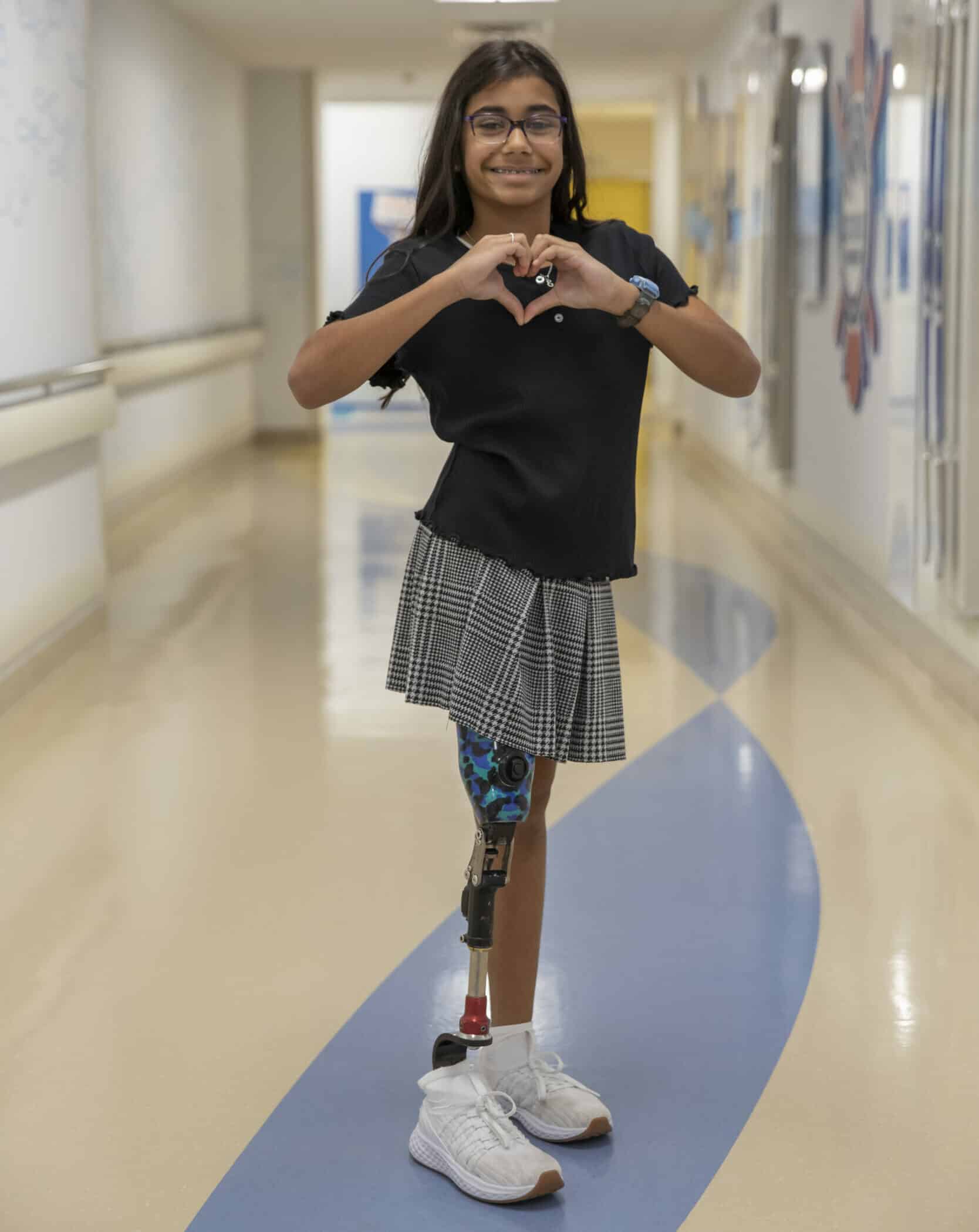
What is a limb difference?
A limb difference is a condition where there is a variation in the development or appearance of an arm or leg. This can result in differences in limb length, shape or function. Limb differences can occur for a variety of reasons, including genetic factors, atypical development and injuries. Limb differences can range from very mild to very severe and can affect one or more limbs.
A congenital limb difference is a condition where a child is born with a variation in the development or appearance of an arm, leg, fingers or toes. This variation can range from mild to severe and can involve one or more limbs, including, arms, legs, fingers, or toes that are missing, not fully formed or formed differently.
ABOUT LIMB DIFFERENCES
Congenital limb differences are caused by factors that disrupt normal limb growth during fetal development, resulting in the absence, malformation or underdevelopment of a limb. These factors can be genetic or environmental in nature, or a combination of both. Some of the known causes of congenital limb differences include:
- Genetic factors: Some congenital limb differences are caused by genetic mutations or inherited conditions. For example, certain gene mutations can cause limb malformations, such as tibial hemimelia. In most cases, there is no known genetic cause of the congenital limb difference.
- Amniotic band syndrome: This is a rare condition where fibrous bands in the amniotic fluid become entangled around fetal limbs, restricting normal limb development. In some cases, the condition may only cause a minor difference in a finger or toe, but in others, it can cause full amputation of the limb while in utero.
- Unknown factors: In some cases, the specific cause of a congenital limb difference may not be known. Conditions such as femoral deficiency and fibular hemimelia are included in this category.
- Traumatic injuries
- Infections
- Tumor(s)
- Vascular diseases
- Conditions affecting the bone’s formation and growth
A limb difference can be diagnosed through a physical examination by a health care provider. The provider will typically evaluate the appearance and function of the affected limb, as well as assess any related symptoms or medical history. Additional diagnostic tests may be ordered to help determine the underlying cause and extent of the limb difference. X-rays, ultrasounds or magnetic resonance imaging (MRI) can provide detailed images of the affected limb and help identify any structural abnormalities.
Treatment for a limb difference depends on the type and severity of the condition and the individual’s specific needs and goals. Some common treatments may include:
- Assistive devices: Assistive devices, such as prosthetics, orthotics or adaptive equipment, can help children with limb differences to improve their mobility, independence and quality of life.
- Surgery: In some cases, surgery may be recommended to correct or improve the appearance or function of the affected limb. This may include procedures such as lengthening or shortening bones or correcting joint or muscle abnormalities.
- Physical therapy: Physical therapy can help children with limb differences to improve their range of motion, strength and coordination.
- Occupational therapy: Occupational therapy can help individuals with limb differences to develop skills and strategies to perform daily activities such as dressing, eating and writing.
- Psychological support: Living with a limb difference can be challenging, and children may benefit from psychological support and counseling to address any emotional or psychological concerns.
It is important to note that every child is unique, and the treatment for a limb difference will be tailored to their specific needs and goals. A team approach involving health care providers, therapists and other specialists can help children with limb differences to achieve their top potential and live full, active lives.
Our Experts

Corey S. Gill, M.D., M.A.

Diana Halback, M.S.N., CPNP, RNFA
Latest news: Limb Differences

CBS Texas: Young Dallas Stars Fan With Rare Bone Disease Shows Remarkable Resilience
The Dallas Stars visited patients at Scottish Rite for Children where they met Jacob, a young fan being treated for a painful bone condition. Jacob and his family shared how difficult the…
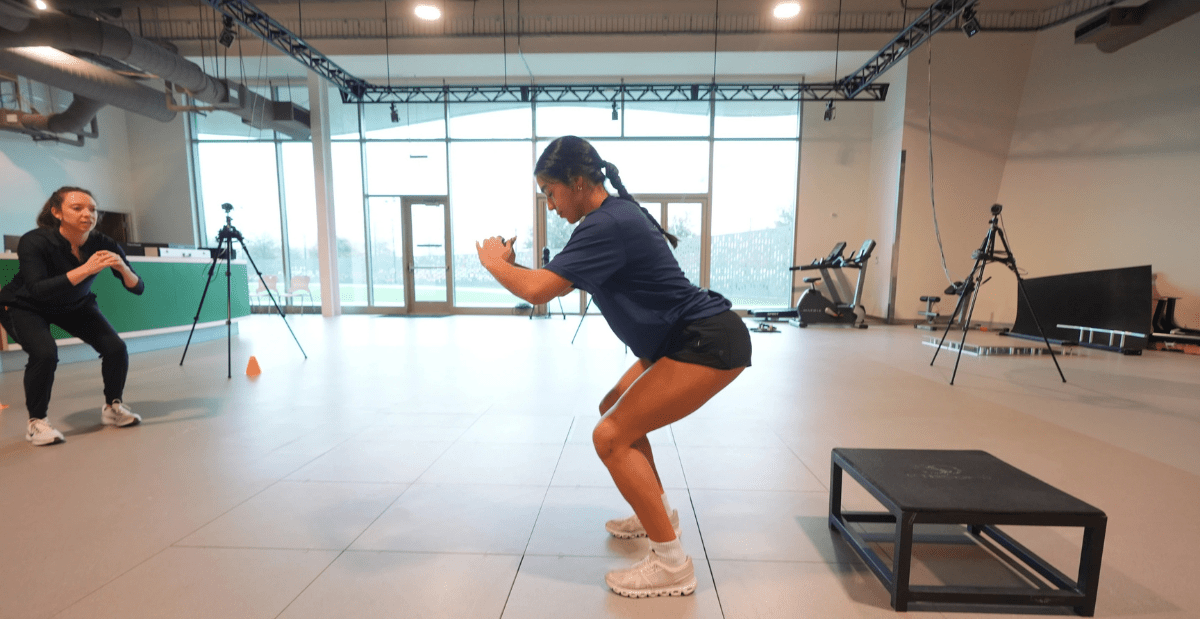
AP News: Teenage Girls Are Most Likely to Tear Their ACLs
Last year, biomechanical researchers at Scottish Rite for Children began providing high school teams with resources typically only available or affordable at the professional and collegiate levels. They created pre-season injury-prevention trainings,…

Telemundo 39: Despite Her Arthritis Pain, Metroplex Teenager Lives Positively
A local teen is turning pain into purpose after being diagnosed with juvenile idiopathic arthritis. Ivette, a patient at Scottish Rite for Children, continues to pursue her creative passions — from playing…
Get to Know Our Staff: Frazet Lankford, IT
What is your job title/your role at Scottish Rite?I am the executive assistant for Scottish Rite’s IT department. I support leadership by ensuring that daily operations run smoothly. What is the most…
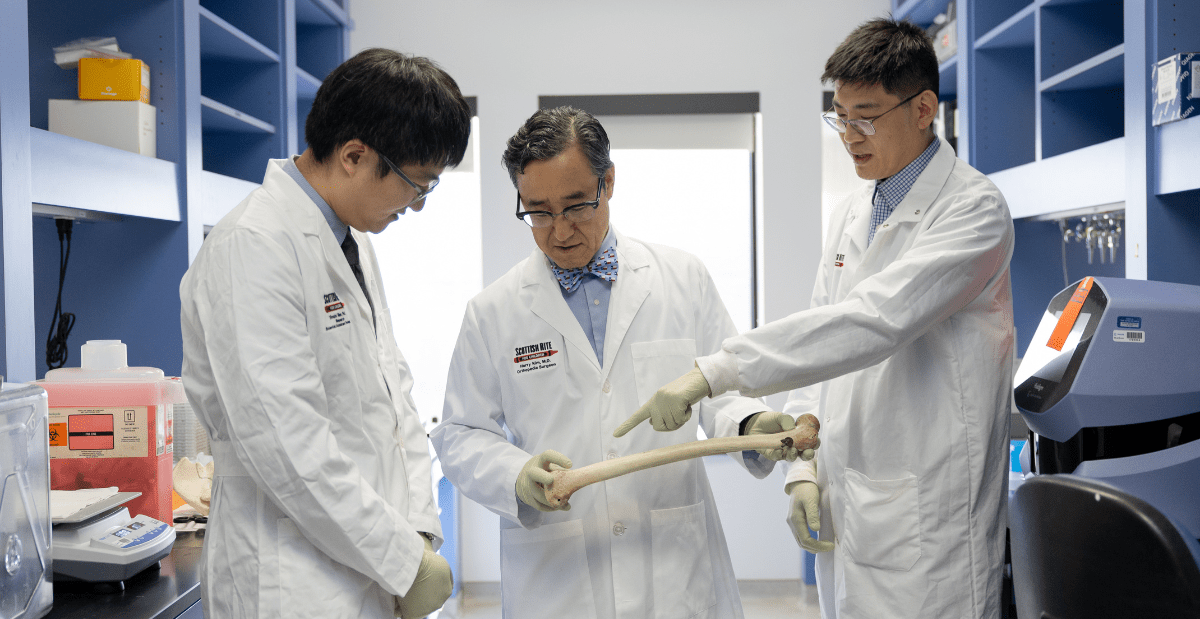
The Dallas Morning News: Dallas Researchers Get $2.3M to Study Rare Childhood Disease
Researchers at Scottish Rite for Children received a five-year, $2.3 million NIH grant to study osteonecrosis, a condition caused by reduced blood flow that weakens and destroys bone and affects nearly 20,000…
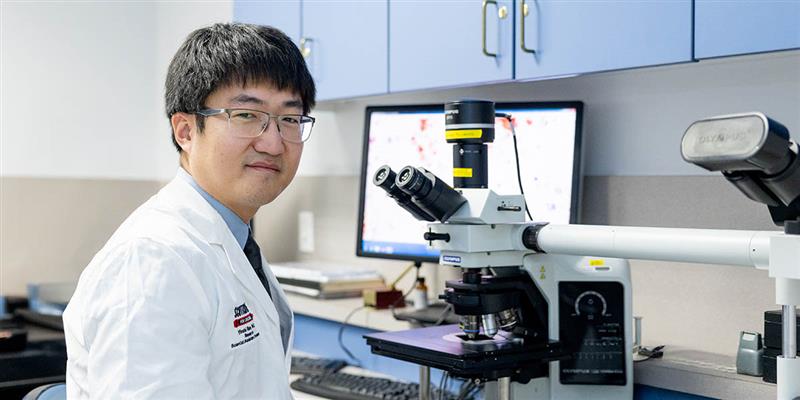
Scottish Rite for Children Receives $2.3M NIH Grant to Advance Bone Regeneration Research in Children With Perthes Disease
Researchers at Scottish Rite for Children received a $2.3 million, five-year grant from the National Institutes of Health (NIH) to study how the body repairs bone and restores blood flow in osteonecrosis…
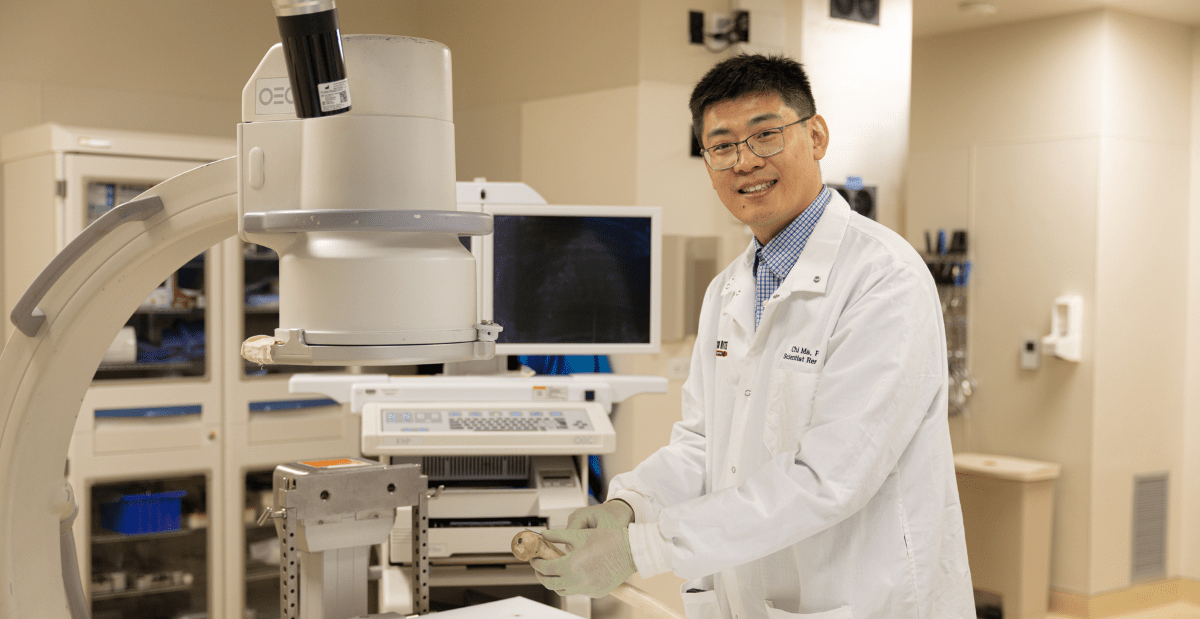
National Institutes of Health Awards $1.54M Grant to Scottish Rite for Children for Rare Diseases Research
Every year, thousands of children and adults face the crippling effects of osteonecrosis. Now, thanks to a $1.54 million NIH grant, researchers at Scottish Rite for Children and UT Southwestern Medical Center…

Becker’s: Matt Chance on Expanding Access and Preserving Excellence in Pediatric Orthopedics
In this episode, Matt Chance, senior vice president and chief operating officer at Scottish Rite for Children, discusses expanding access to highly specialized pediatric orthopedic care while maintaining a relentless focus on…
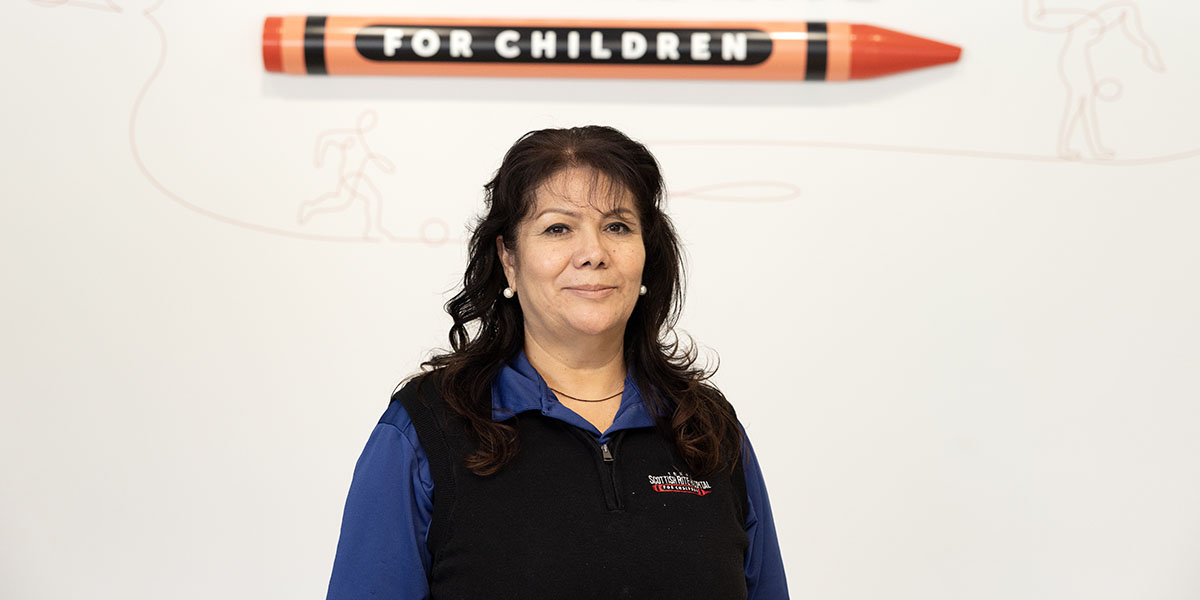
Get to Know Our Staff: Lidia Quintero, Environmental Services
What is your job title/your role at Scottish Rite?I am the Environmental Services supervisor. What is the most fulfilling part of your job?The most fulfilling part of my job is making a…
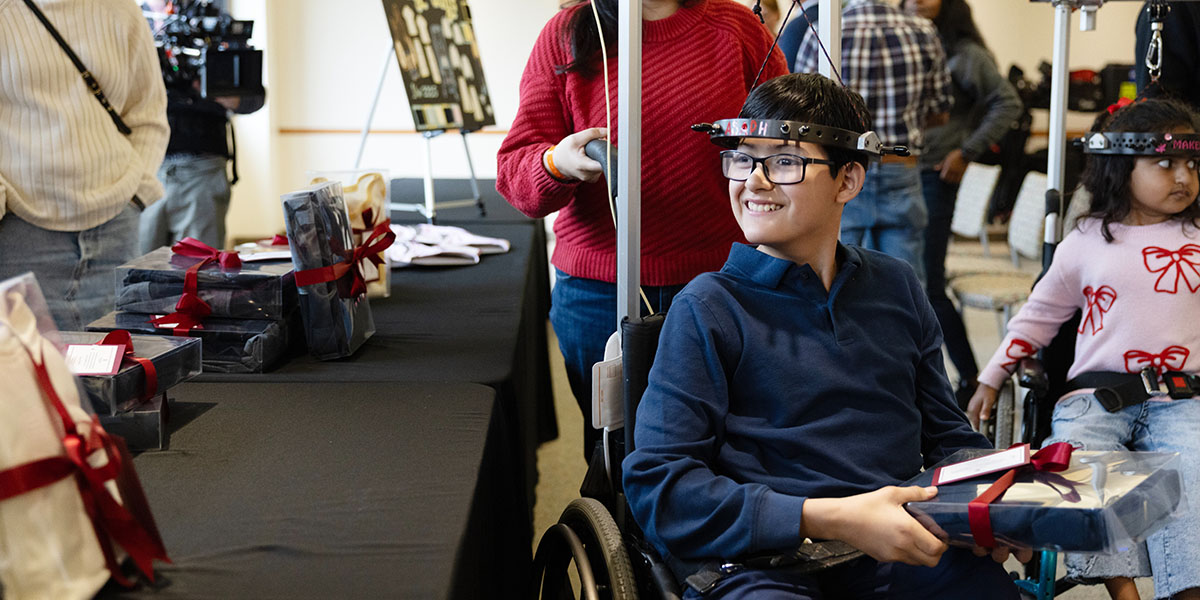
D CEO: Scottish Rite and TWU Team Up for Adaptive Fashion
At Texas Woman’s University, a fashion design class took learning beyond the classroom by focusing on how their skills could help the community. The course partnered with Scottish Rite for Children after…