Your child may need a cast for many reasons. Cast can:
- Keep a body part from moving
- Help stretch muscles
- Help broken bones heal
- Protect a bone or joint that was recently operated on and allow it to heal
Our Approach to Casting
At Scottish Rite, casting is performed by pediatric orthopedic experts who specialize in treating growing bones. We offer casting as a first line of treatment for many types of fractures and injuries.
We also provide specialized casting for complex orthopedic conditions, including scoliosis, hip dysplasia and limb differences. Your child may also get a cast if they have a sprain or dislocation that requires temporary immobilization.
Our casting team experts make the process as comfortable and stress-free as possible for you and your child.
Kid-Focused Cast Care
Our orthopedic cast technicians have extensive experience in caring for children. They understand that casting can be scary for them. They’ll work with you to keep your child comfortable and calm, while also explaining the casting process.
Our casting team takes extra care when molding the cast to protect your child’s growth plates and ensure proper alignment. Once the cast is on, our cast technicians will guide you through how to take care of the cast.
They will also take the time to answer all your questions. This can include everything from how to perform daily tasks to dealing with common cast side effects, like itching.
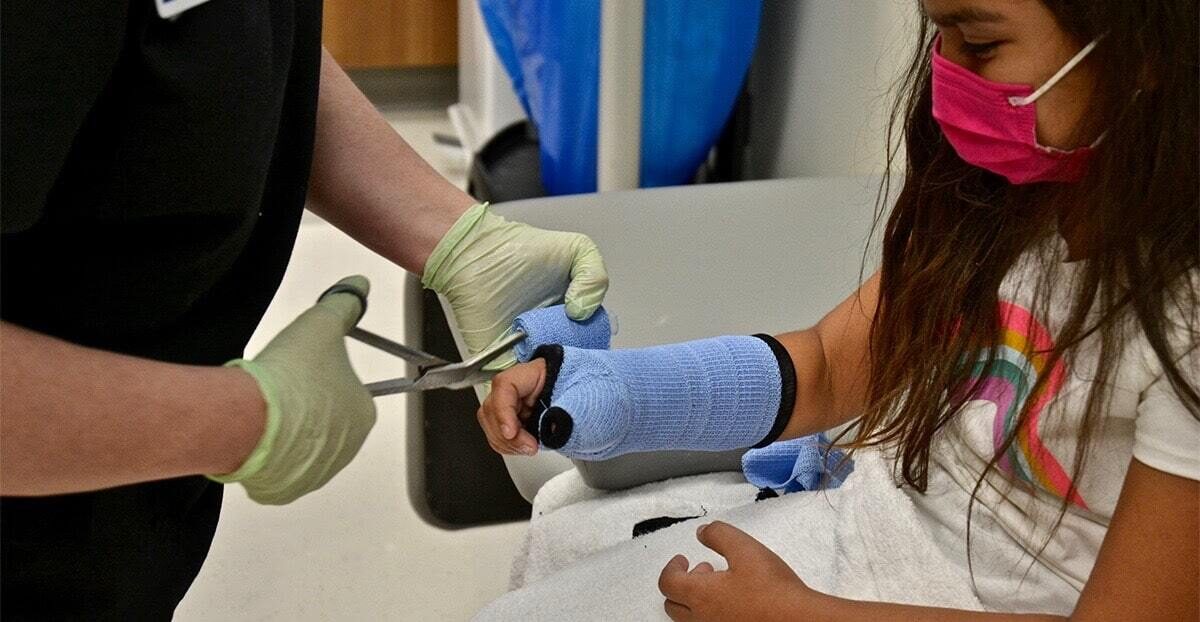
When your child is ready for cast removal, our team will explain the process, so both you and your child understand what to expect.
Types of Casts
- Traditional fiberglass cast: This is the most common type of cast. It is molded carefully to control fracture alignment as it heals.
- Waterproof cast: This option allows your child to bathe and swim during treatment. Not all fractures are suitable for a waterproof cast. Your child’s care team will recommend it when appropriate.
- Splints and braces: Some injuries heal safely with removable braces or custom splints instead of a cast.
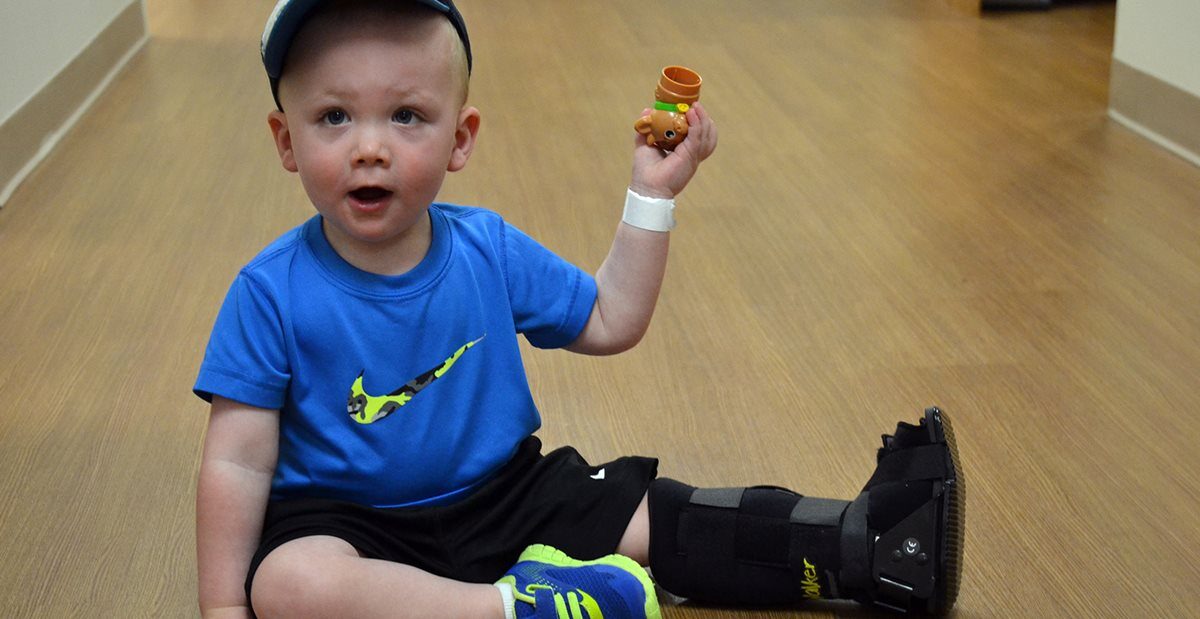
- Walking cast: This type of leg cast allows your child to bear weight on their foot, but they must wear a cast shoe with it.
Specialized Casting
Our cast technicians work closely with experts in various departments, such as our Hip, Scoliosis, Sports Medicine and Fracture teams, to name a few, to provide specialty casts. These casts are used as nonsurgical treatment or treatment after surgery for complex orthopedic conditions.
Some of these specialty casts include:
- Petrie casts help support children who have Legg-Calve-Perthes disease. This cast extends from the upper thighs to the ankles on both legs, holding your child’s hips in an “A” position to reduce inflammation as they heal.
- Scoliosis casts help prevent your child’s spinal curve from worsening while they grow. They are generally most effective in very young children.
- Spica casts help ensure proper hip joint positioning in children who have developmental hip dysplasia. A spica cast can also be used to treat a broken femur or after hip or pelvic surgery. The casts extend from just below the chest, down over the hips and legs.
These specialty casts often require extensive care. Your child’s care team will provide you with the resources and support you need to help your child through these treatments.
Benefits of Casting
Casting is a highly effective treatment for fractures by:
- Keeping the broken bone stable
- Protecting growing bones and growth plates
- Reducing pain caused by movement
- Preventing the bone from shifting out of place
- Helping many children avoid surgery
What To Expect During Casting
Getting a cast can feel overwhelming for kids. Our team explains each step in simple terms and helps your child feel prepared.
Here is what you can expect during the casting process:
- Your child can start by choosing what color cast they want.
- Your child’s provider will clean your child’s skin around the fracture area.
- They will then apply a soft liner and cotton padding to the area to protect their skin.
- Next, they will wrap the area in a wet fiberglass or plaster. This may feel warm and a bit sticky.
- As the cast begins to cure (harden), their provider will apply specific pressure points onto the cast to support the most effective healing. This careful molding helps guide the bone into proper alignment as it heals.
For a standard fracture, the full casting process takes about 10 to 20 minutes.
After your child’s cast is complete, the cast technician will provide instructions for:
- Cast care
- Ways to manage itching, discomfort or other side effects
- Activity restrictions
- Ways to notice signs of swelling or circulation issues
- Follow-up appointments
Risks of Casting
Casting is a generally safe and effective treatment for most fractures. However, some possible side effects and risks include:
- Skin irritation
- Swelling
- Stiffness after the cast is removed
- Rare problems with circulation
Contact your child’s provider immediately if your child experiences severe pain, numbness, excessive swelling or a foul odor from the cast.
Why Choose Us?
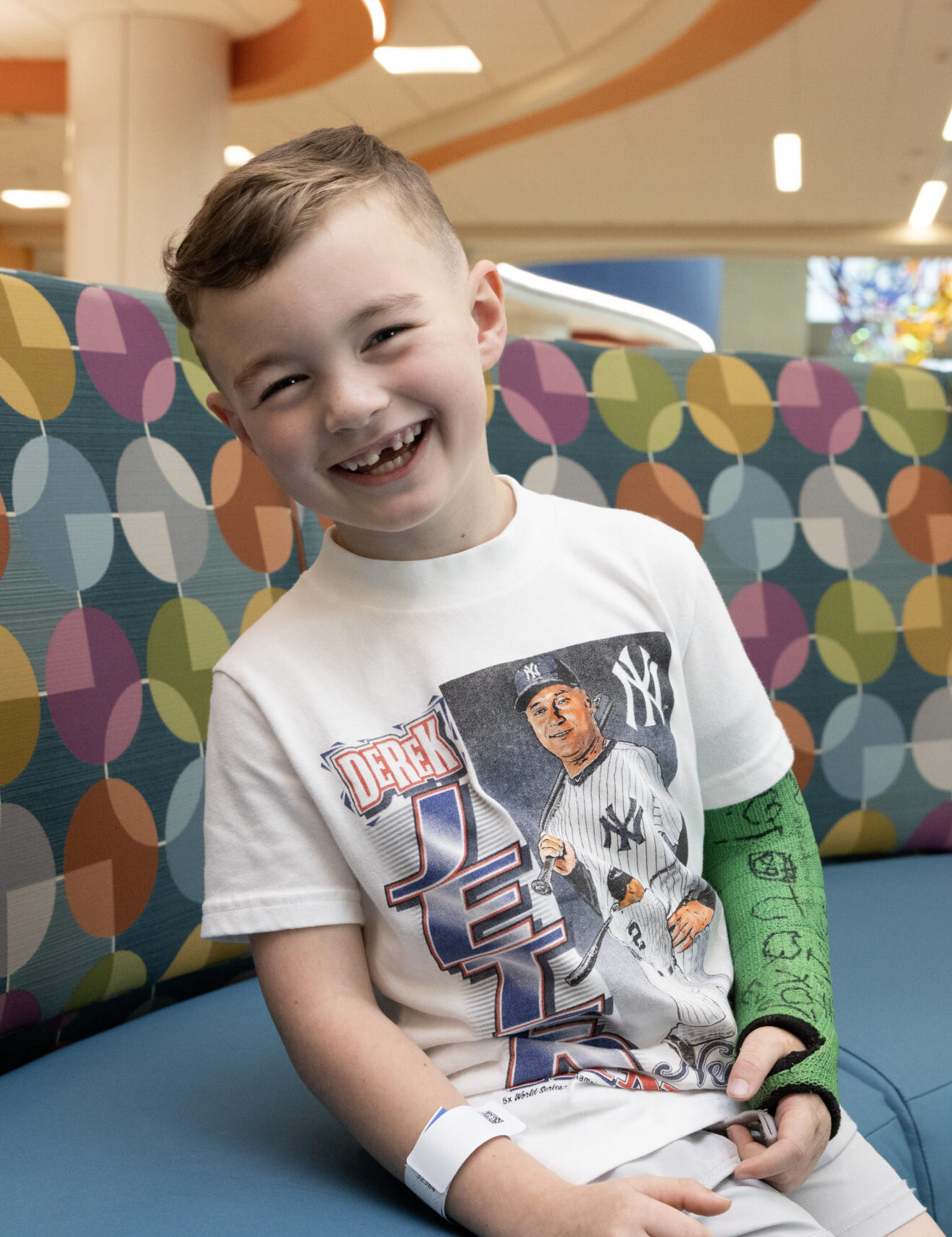
Supportive care for kids: Our child life specialists work alongside our cast technicians to help kids cope with the uncertainty and anxiety of casting. These specialists are trained to help children understand medical procedures in age-appropriate ways. This approach will help your child face treatment with more confidence and knowledge.
Specialty cast care: As a leader in pediatric orthopedic care, Scottish Rite offers the most advanced casting treatments for complex orthopedic conditions. These treatments offer your child nonsurgical options to help improve their function and day-to-day activity.
-
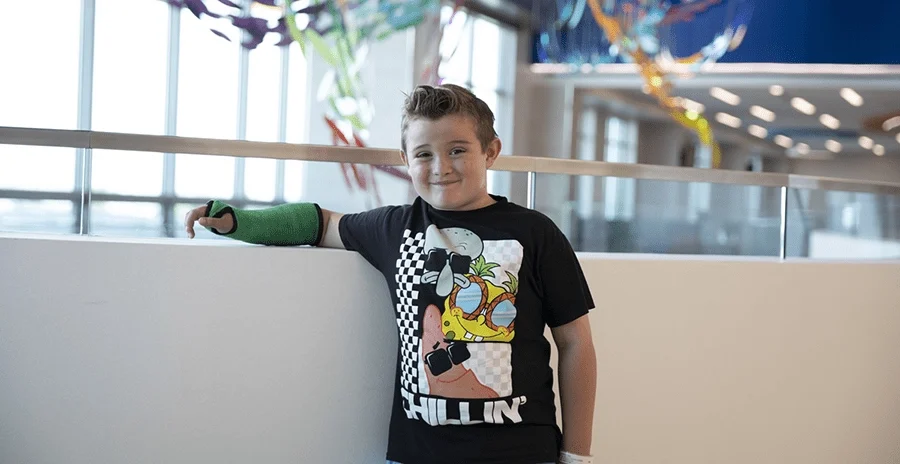
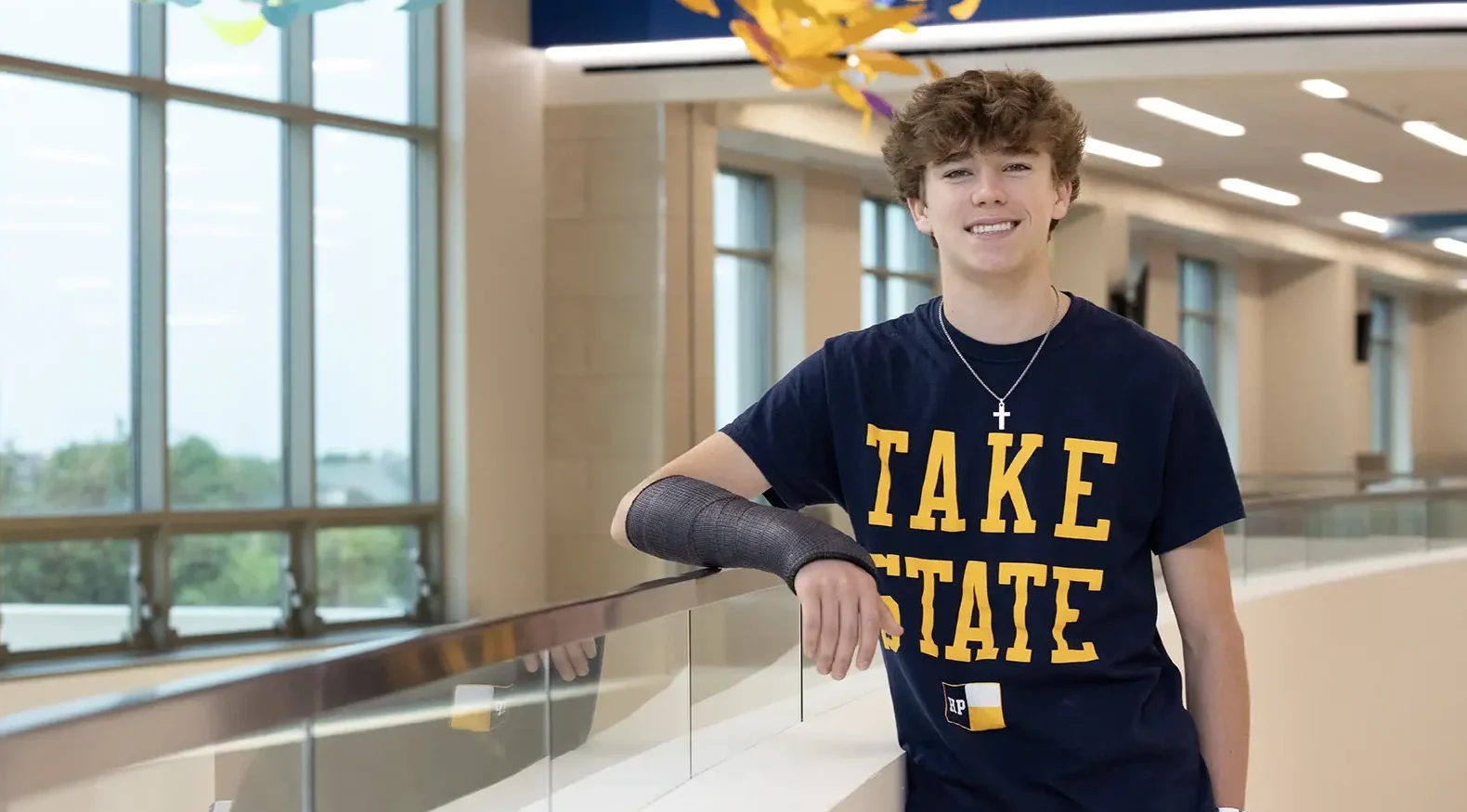
If your child needs an arm cast, they may get:
- A short arm cast that extends from the hand to just below the elbow.
- A long arm cast that extends from the hand to above the elbow.
We may also give your child a sling to wear for a few days after their injury.
-
To help your child heal, keep the following tips in mind:
- They should keep their arm elevated as much as possible, so the elbow is higher than the heart and the hand is higher than the elbow. This position will help prevent or reduce swelling.
- When using a sling, make sure the elbow rests against the back of the sling.
- Ensure your child’s hand stays at chest level when using the sling. Have your child sit down and elevate the arm if their hand or fingers begin to swell.
-
If your child needs a leg cast, they may get:
- A short leg cast that extends from the foot to just below the knee.
- A long leg cast that extends from the foot above the knee.
- A walking cast that allows your child to bear weight on the foot but must be worn with a cast shoe.
- A non-walking cast that requires your child to use crutches, a wheelchair or a walker to move around.
-
While your child has a leg cast, the following tips will help them feel more comfortable until they have the cast removed:
- They should keep the leg elevated as much as possible to reduce swelling. Have your child keep their injured foot above their knee and heart throughout the day and night.
- Keep pressure off the heel to reduce the risk of pressure sores. Your child’s heel should float in the air. If your child is on their back, you can place pillows or a rolled towel under the calf. If your child is on their side, place a thin pillow between the legs.
- Cover the cast with a sock to keep it clean. However, remove the sock regularly to check your child’s toes for swelling, changes in color and numbness.
-
Cast removal is a generally painless process, but it can be an intimidating experience for kids. Our child life specialists and cast technicians will walk you through the process, explaining the equipment and what to expect.
We encourage you to bring items from home to help put your child at ease. This could include:
- A blanket, stuffed animal or other comfort item
- A bottle or pacifier
- A favorite book
- A phone or tablet
- Noise-cancelling headphones
-
After we remove your child’s cast, your child may need an X-ray. Your child’s provider will discuss next steps in your child’s treatment plan.
-
You may notice the following in the days and weeks after cast removal:
- Your child’s body part that was in a cast may appear smaller, and it may be stiff or sore for several days.
- Your child’s skin may be dry or flaky. You can use lotion to help prevent your child from picking or scratching their skin.
- Your child’s provider will let you know when your child can take a bath or shower. When they are ready to bathe, make sure the water temperature is warm and then pat the skin dry.
- Your child’s skin will be very sensitive, so it is important to use sunscreen in the days and weeks following cast removal.