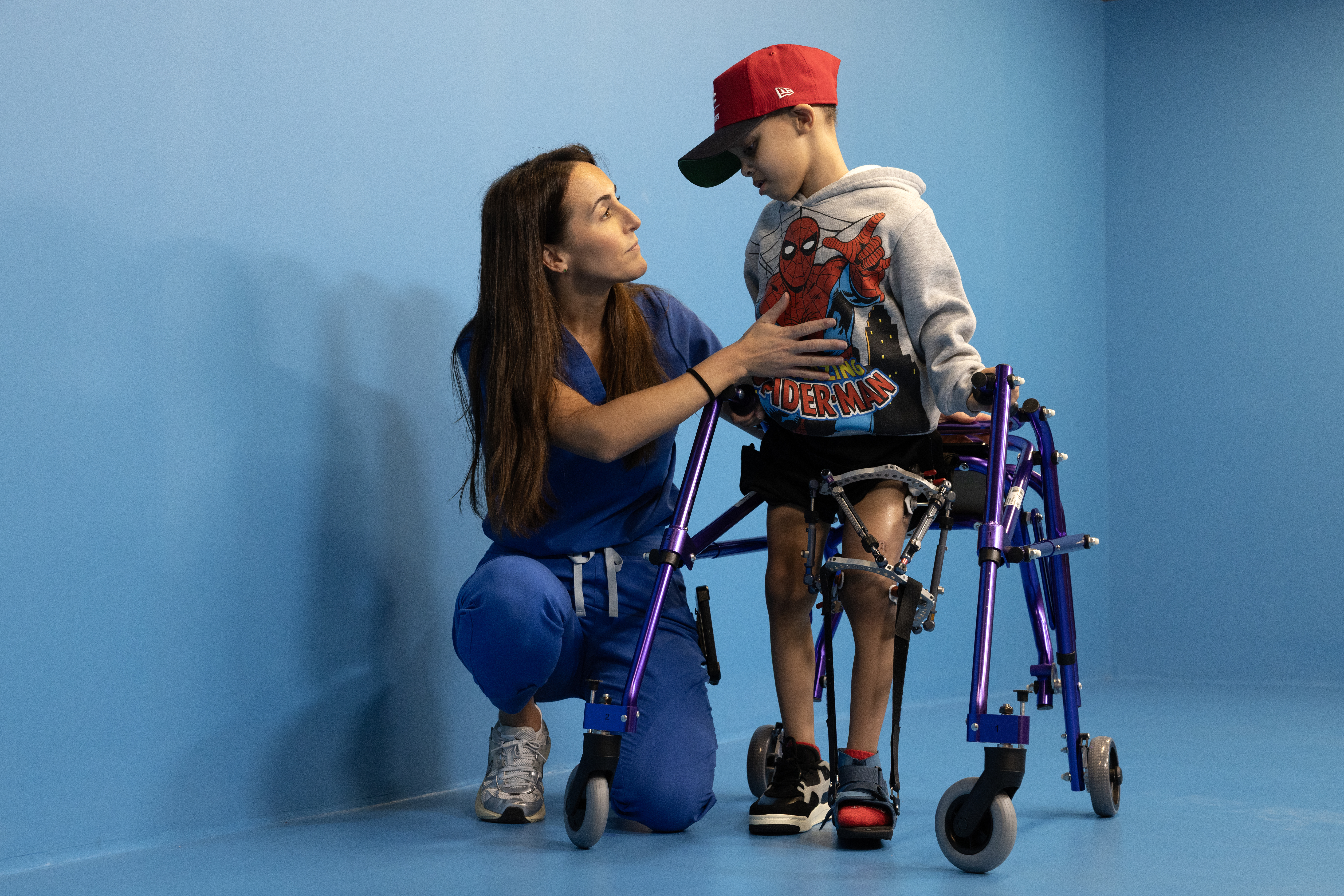
Limb reconstruction surgery corrects limb differences, instability or structural problems in growing children. These surgeries may help children born with limb differences. They may also help children affected by injury, infection or tumors.
Our Approach to Limb Reconstruction Surgery
At Scottish Rite, limb reconstruction is a carefully planned process centered around your child’s needs.
Our expert pediatric orthopedic surgeons will start by learning how your child moves, plays and manages daily activities. If your child functions well, we may recommend nonsurgical care first. If challenges are limiting function, limb reconstruction surgery may help.
You and your child will meet a coordinated team of experts, including:
- Orthopedic surgeons
- Physical therapists
- Psychologists
- Nurse educators
- Child Life specialists
Our goal is to help your child move well today and build a strong plan for growth in the future.
We Prepare Families for Surgery
Limb reconstruction does not begin in the operating room. It begins with thoughtful preparation. Weeks or months before surgery, we provide emotional and practical support for your family.
This may include:
- Starting exercises to build strength and prepare for a physical therapy routine
- Meeting with support specialists for social and emotional needs, including psychologists, social workers and child life specialists
- Reviewing expectations and home care guidance with nurse educators
Your child’s team will be by your side at every step of the limb reconstruction journey.
Types of Limb Reconstruction Surgery
Orthopedic surgeons at Scottish Rite specialize in several techniques to correct complex bone conditions in growing children, including:
Bone Transport
Bone transport is a procedure that helps rebuild a bone damaged by serious injury, infection or disease.
During this procedure, surgeons remove a section of damaged bone.
Then, they will cut another healthy section of the same bone in a process called an osteotomy.
An internal or external fixator gradually moves the healthy bone to fill the gap. As the bone shifts, new bone forms at the osteotomy site.
Cross-union Technique
The cross-union technique combines internal and/or external support to correct complex deformities.
Surgeons reposition sections of a bone so they align properly. A rod may be inserted to provide stability.
Bone grafting may be used to strengthen the connection between bone segments. An external fixator may be placed around the bone as it heals.
Deformity Correction
Some children need a procedure to correct a limb difference. Surgeons perform a planned bone cut, called an osteotomy, and use internal or external fixation to guide the bone into a better position.
Depending on your child’s diagnosis, correction may happen immediately with plates or internal rods and screws. In other cases, gradual adjustment with an external fixator may be recommended.
Deformity correction may help children with congenital differences, developmental conditions or traumatic injuries.
Benefits of Limb Reconstruction Surgery
Limb reconstruction may help:
- Reduce pain
- Improve walking and mobility
- Increase participation in daily activities
- Support long-term function as your child grows
What to Expect With Limb Reconstruction Surgery
Limb reconstruction surgery is a process, not a single event. Some children need one procedure with a shorter recovery. Other children need staged care with months of follow-up.
Your child’s care team will explain what to expect based on your child’s diagnosis and goals.
Before Surgery
Before surgery, you and your child will meet with their care team to discuss:
- Daily routines and goals
- Appointment schedule and therapy planning
- Questions and concerns
- Home support and recovery needs
After Surgery
Your child’s recovery plan depends on the type of reconstruction surgery they have.
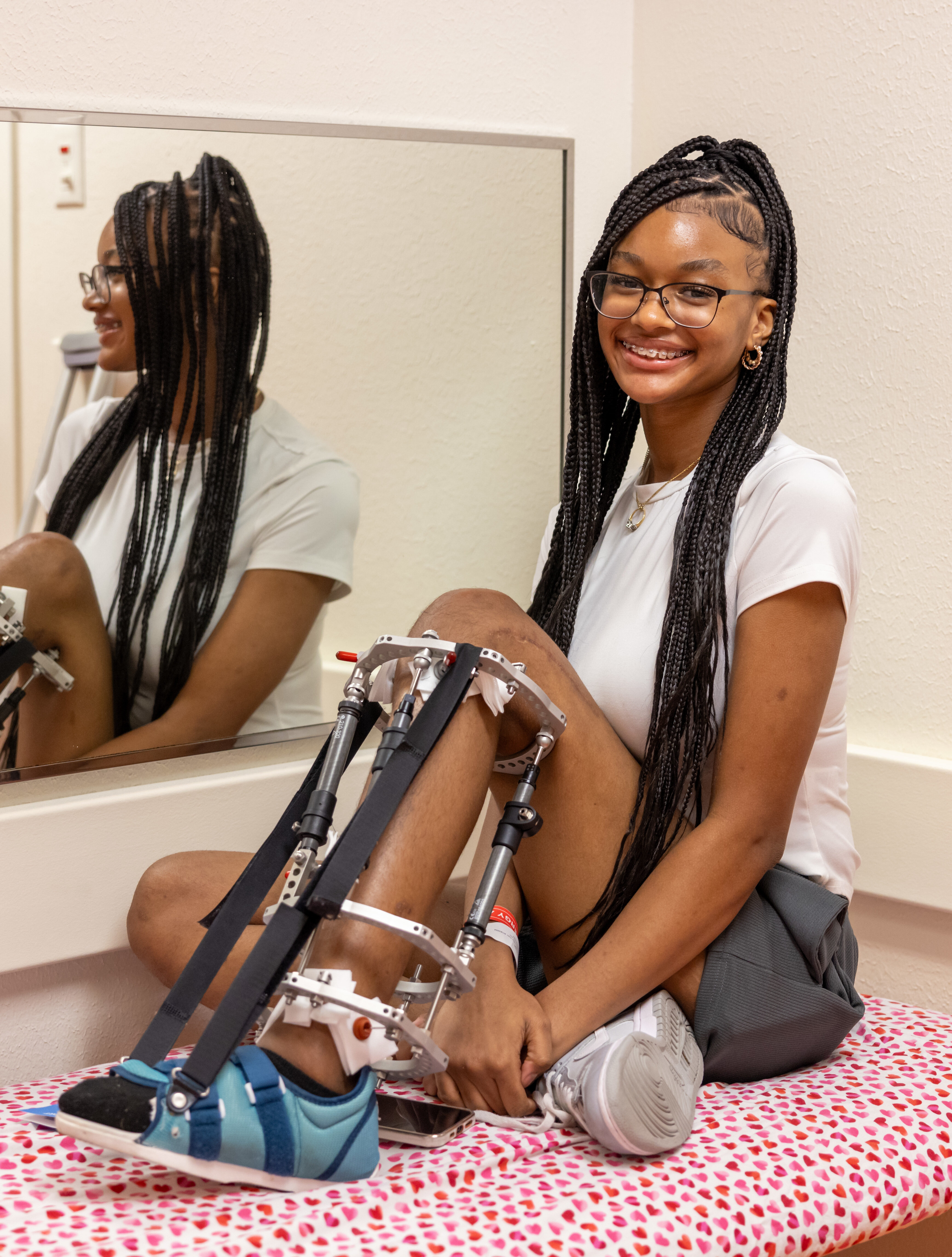
Some reconstructions involve gradual adjustments that occur over several months. For instance, adjustment and recovery for limb lengthening or deformity correction may last four to six months. Full treatment may extend six to nine months or longer.
After surgery, your child will see their care team at Scottish Rite for regular follow-up appointments. We monitor their healing and progress closely, adjusting the plan to fit your child’s needs.
Throughout their recovery, your child will have access to comprehensive follow-up care and services, including:
- In-house orthotics, which they may need during recovery
- Pain management services
- Physical therapy to improve mobility and function of the reconstructed joint
- Psychological care and support to help with pain, social and emotional concerns
Additionally, your child will play an active role in their recovery. They may need to perform exercises or attend physical therapy sessions to help them build strength and improve movement.
We also encourage kids to stay as active as possible, and we will guide you and your child how to do this safely.
Supporting Your Whole Family
Throughout the process, you can expect your child’s care team to provide you with honest feedback and support.
We discuss and promptly address potential setbacks, including pain, stiffness or delayed healing. We also provide ongoing social and emotional support to address any challenges that arise throughout treatment and recovery.
Risks of Limb Reconstruction
Like any surgery, limb reconstruction does have some risks, including:
- Pain during recovery
- Difficulty maintaining range of motion
- Delayed bone healing
- Extended treatment timelines
We will discuss all risks with you before surgery and promptly address challenges if they arise.
Why Choose Us?
Support from peers: Our surgeons can help connect you with other children and families who have been through limb reconstruction. They can help you understand what to expect and how to cope. These connections often help kids and families go into reconstruction more confident, prepared and comfortable.
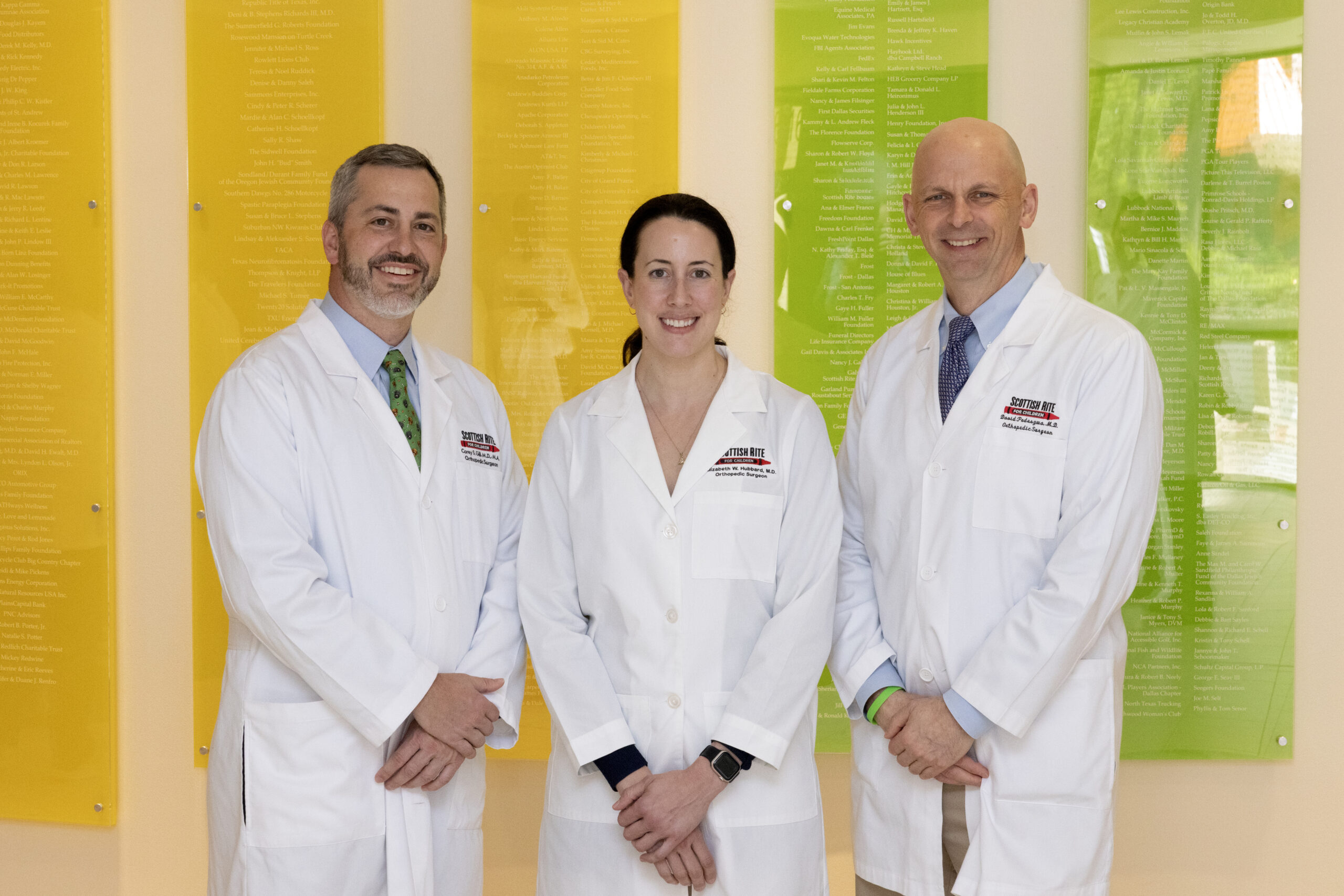
National expertise in limb reconstruction: Our specialists in the Center for Excellence in Limb and Lengthening and Reconstruction hold leadership roles in national limb reconstruction organizations and collaborate with experts worldwide. This high level of expertise ensures your child’s care is aligned with best practices and advancements for complex limb deformities, limb loss, musculoskeletal infection and limb length differences.
-
Yes. As your child’s bones heal and grow, their muscles, skin, nerves and blood vessels will also.
-
Your child won’t feel any pain during surgery. They’ll have anesthesia to put them to sleep or numb the area where their surgeon is operating to keep them comfortable.
After surgery, they may experience some pain. We will give them over-the-counter or prescription pain medicine, and they can talk to our psychologist about ways to manage their pain.
-
They may need to take it easy after their surgery until the bone fully heals. Your child’s care team will tell you which activities they can participate in and when.
-
Generally, no. We may remove the rod six to 12 months after surgery. Your child’s doctor will discuss the best time to remove it.
-
We have more than 35 years of experience treating limb differences in children.
Our surgeons are international leaders in the field of limb reconstruction. They travel around the world teaching other medical professionals about the devices used to treat these conditions.
Our physicians even host an annual symposium that brings together experts in the field of limb reconstruction to Dallas. Together, they discuss new treatments and innovations to treat kids with limb deformities, limb loss, infections and severe limb length differences.
Our teams also lead and participate in research initiatives to improve care for limb deformities and refine current treatments and techniques.