Limb lengthening surgery gradually increases the length of a bone to correct limb differences or deformities. Your child’s provider may recommend this treatment if limb differences affect walking, balance or daily activities. Limb lengthening is one treatment option within our Limb Differences Care program.
Our Approach to Limb Lengthening Surgery
If your child has a significant limb length difference, you may notice uneven walking, fatigue or difficulty keeping up with peers. You may also worry about how growth will change the difference over time.
We approach limb lengthening carefully and deliberately.
We Plan Around Growth
We calculate projected differences at skeletal maturity before recommending surgery. Not all limb differences require intervention.
We Prepare the Whole Family
Limb lengthening is a long process. The duration of treatment often lasts six to nine months, or longer.
Before surgery, your child meets with:
- A nurse educator
- A psychologist
- A physical therapist
- A social worker
This preparation helps your child build physical and emotional readiness.
We Coordinate Daily Support
Lengthening requires daily therapy and close monitoring.
Our pediatric orthopedic surgeons, researchers, physical and occupational therapists, nurse educators and child life specialists work together throughout the process. We adjust the plan as needed to protect healing and function.
We Focus on Meaningful Outcomes
Our goal is not just longer bones. We aim for:
- Improved walking symmetry
- Better balance and endurance
- Reduced joint strain
- Greater long-term independence
Types of Limb Lengthening
Your child’s surgeon will recommend the method that best fits your child’s condition and growth plan.
Intramedullary Lengthening Rod
With this method:
- The surgeon places a telescoping rod inside the bone after making a controlled surgical cut.
- The rod slowly lengthens from inside the bone using an external magnet or electrical system.
Rod options may include PRECICE® or FITBONE®. Your surgeon will explain which system best fits your child’s needs.
After surgery, your child may need limited weight-bearing until the bone strengthens. This means they may need crutches, a walker or other support for a period of time.
Your child will return for regular follow-up visits, so we can take X-rays and monitor healing.
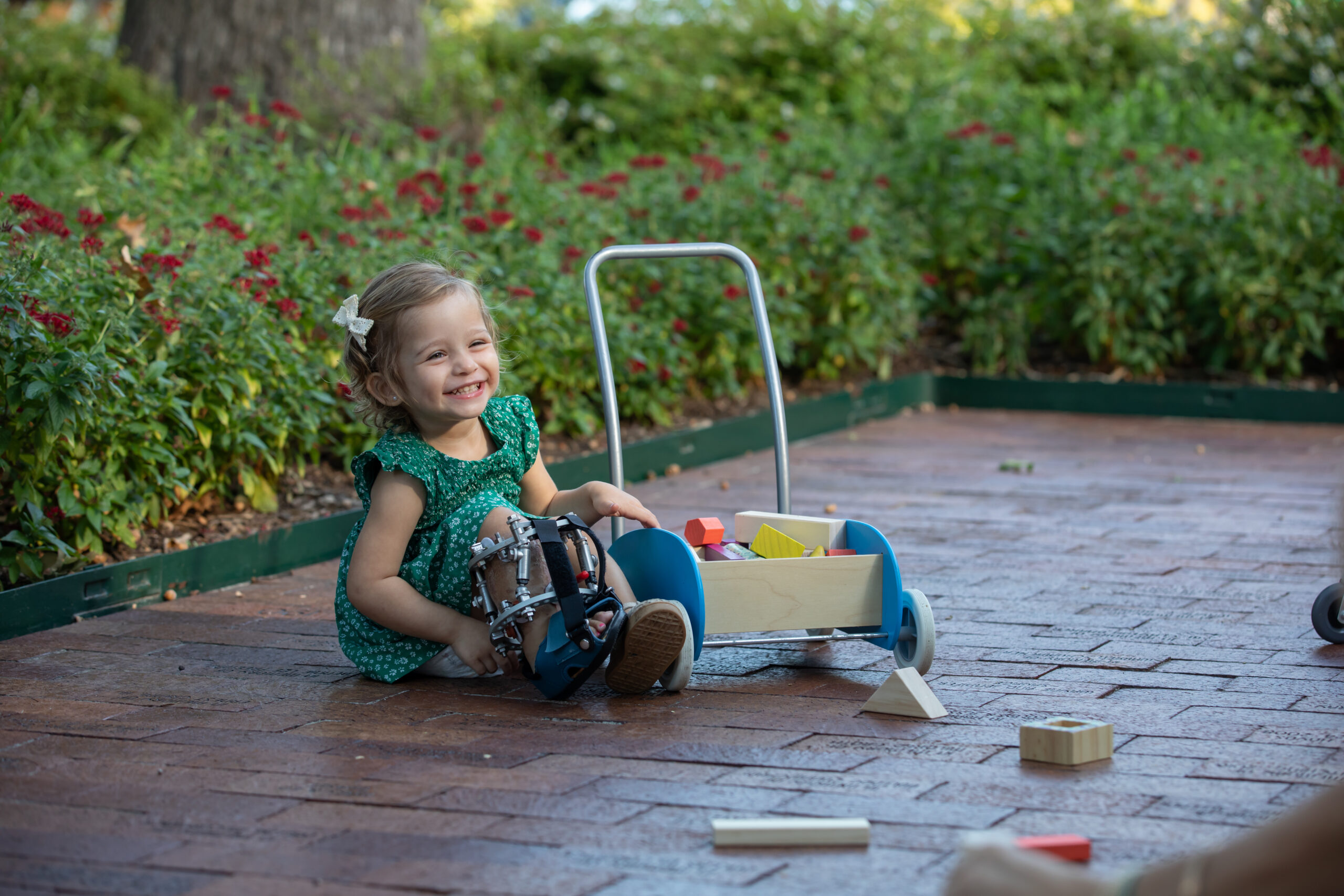
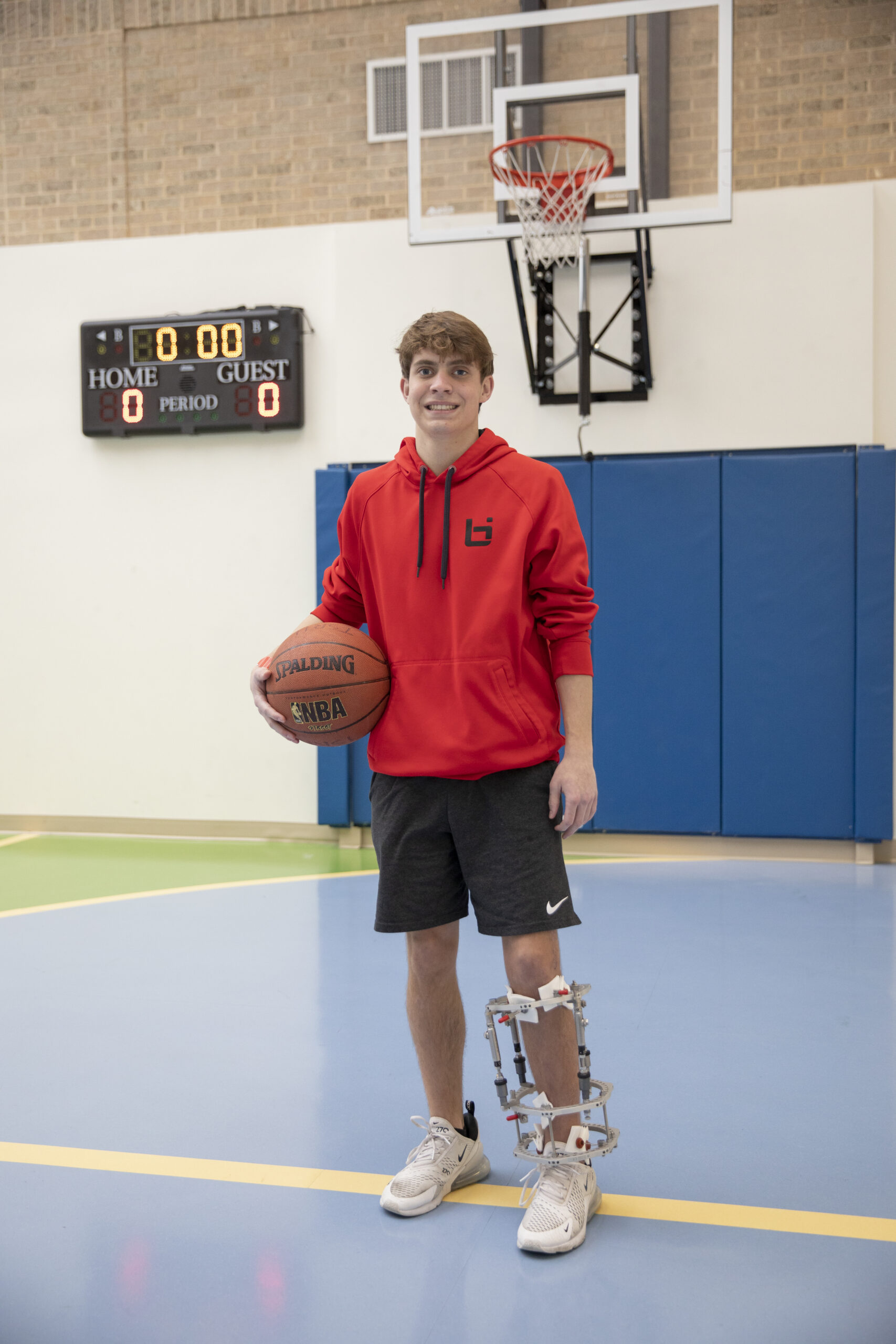
External Fixator (Hexapod Frame)
With this method:
- The surgeon attaches a circular frame outside the limb using small pins placed through the skin.
- You make small daily adjustments using a color-coded schedule provided by your care team.
These adjustments gradually lengthen or straighten the bone. The frame holds the bone steady while new bone forms.
Treatment with a frame often lasts several months, depending on your child’s needs. Your care team will guide you on daily adjustments and follow-up visits.
What to Expect with Limb Lengthening Surgery
Limb lengthening happens in planned stages over many months.
Surgical Procedure (Day of Surgery)
The surgeon performs a controlled bone cut and places the rod or frame. Your child will stay in the hospital for monitoring and pain management.
Early Recovery
In the first few days, the focus is comfort and gentle movement. Physical therapy begins early to protect strength and flexibility.
If your child has an external frame, your team will teach you how to care for the pin sites.
Lengthening Phase
You will begin scheduled daily adjustments based on your child’s plan. The bone lengthens slowly in small daily amounts.
Your child will return regularly so we can monitor healing with X-rays and adjust the plan if needed.
Bone Healing Phase
The bone hardens and strengthens. This stage usually lasts twice as long as the distraction phase (sometimes twice as long). Physical therapy continues to maintain motion and strength.
Frame or Rod Removal
When healing is complete, the surgeon removes the device. Frame removal is often done as an outpatient surgery. Your child may temporarily wear a cast or brace for added support.
Risks of Limb Lengthening Surgery
As with any surgery, risks may include:
- Infection at pin sites
- Pain or stiffness
- Delayed bone healing
- Device-related complications
We monitor closely to reduce these risks and intervene early if needed. Most children complete treatment successfully with careful monitoring and therapy.
Why Choose Us?
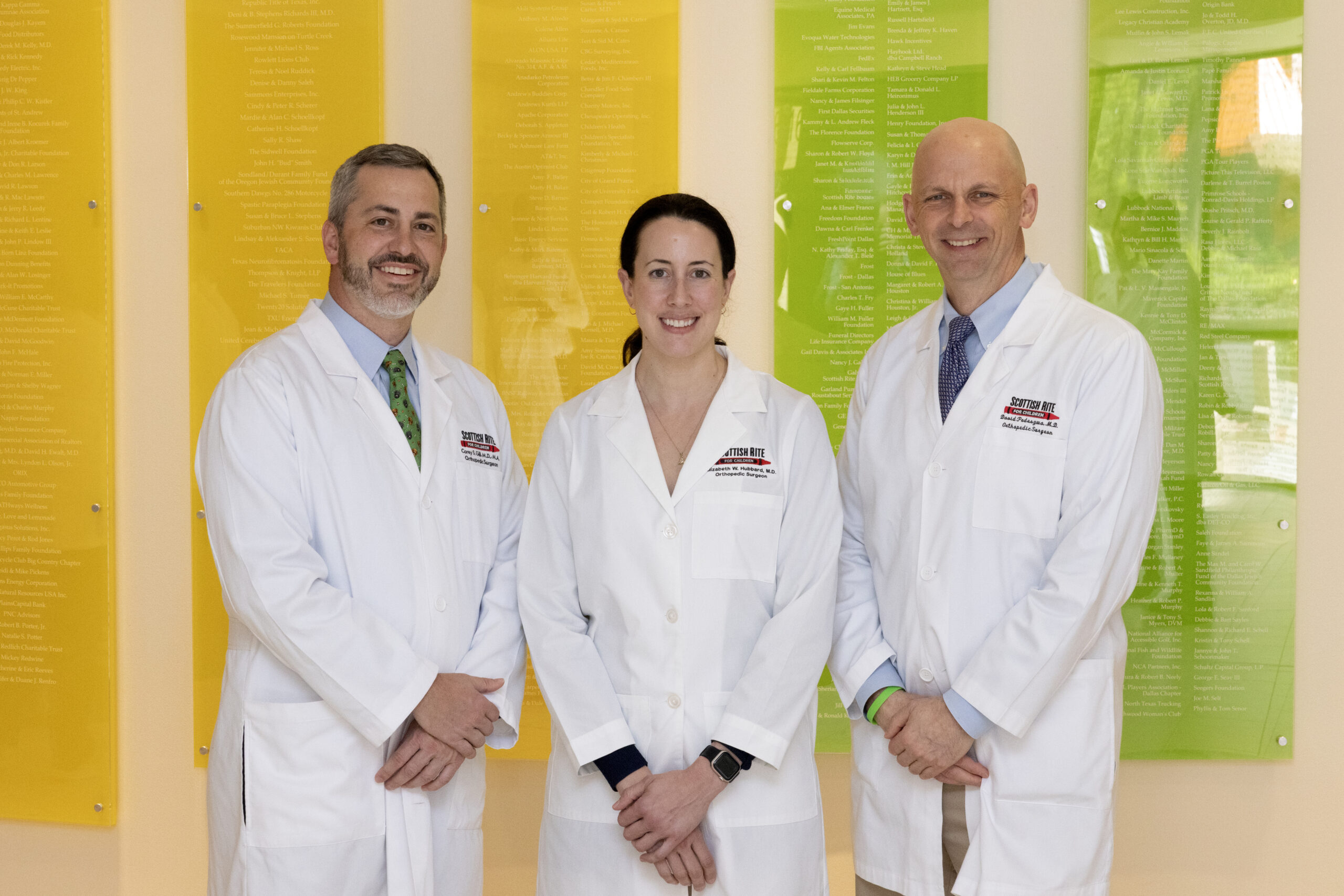
National expertise in limb lengthening: Our orthopedic surgeons specialize in treating complex limb differences in growing children. Families travel from across the country for our experience in limb lengthening and deformity correction.
Thoughtful preparation for families: We prepare your child physically and emotionally before surgery. Our team helps your family understand each stage of treatment and what to expect at home.
Coordinated care at every step: Your child is supported by surgeons, therapists, nurse educators and psychologists throughout every stage of treatment. We adjust the plan as your child grows and heals.