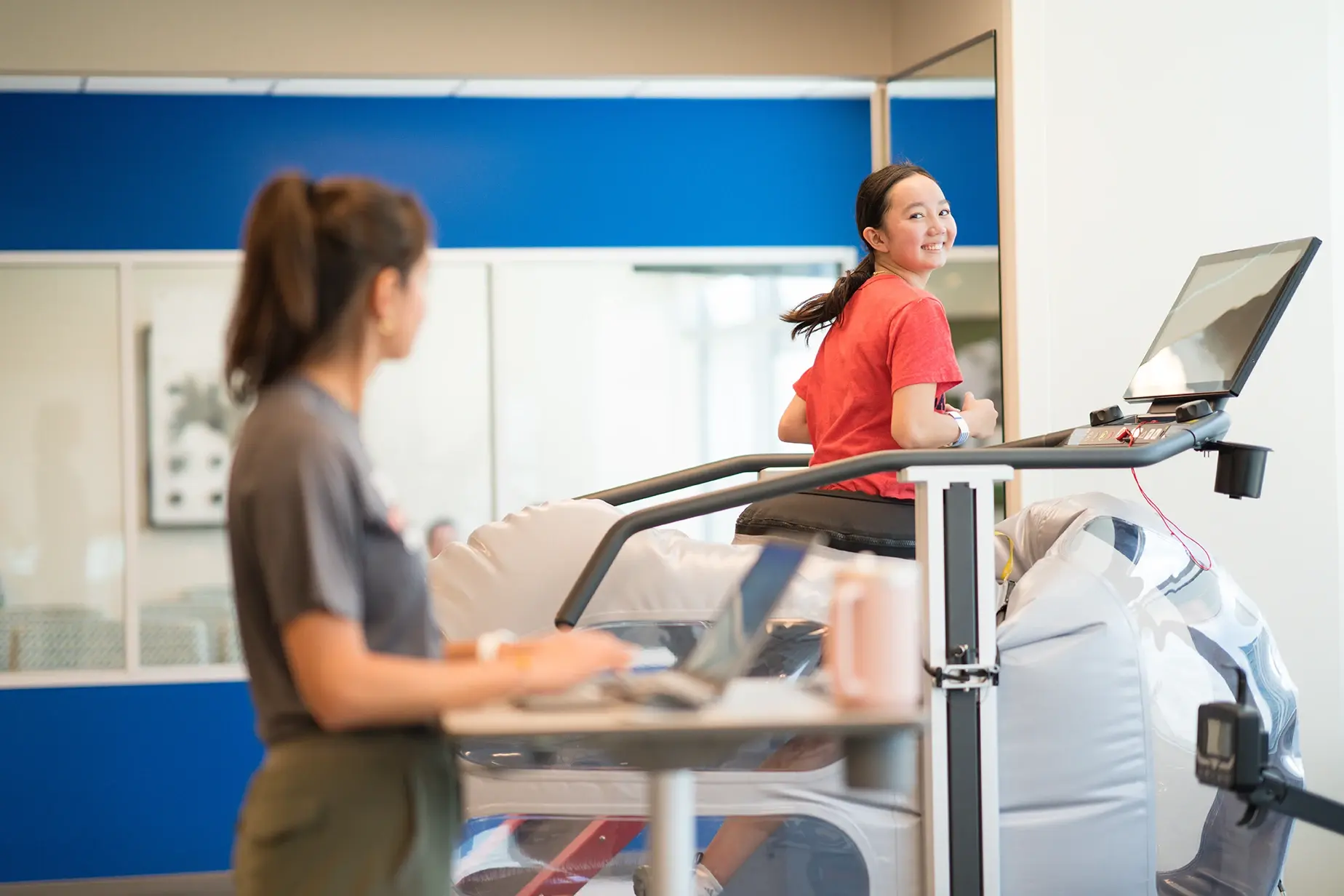
Pediatric physical therapy helps kids recover from orthopedic injuries or conditions. Our physical therapists are movement experts who evaluate your child’s mobility, strength and coordination to help them move more confidently.
Our Approach to Physical Therapy
At Scottish Rite, your child’s physical therapy program focuses on their distinct needs, goals and abilities.
This may include injury- or condition-specific therapy, sports physical therapy or inpatient physical therapy. Care may occur during scheduled outpatient visits, coordinated clinic visits or inpatient stays.
No matter the reason for physical therapy, our goal is to help your child enjoy their childhood.
Based on your child’s needs, physical therapy may help them:
- Return to sports or activities after an injury or surgery
- Enjoy everyday activities like riding a bike
- Restore or improve movement
- Build long-term strength, independence and confidence
Personalized Physical Therapy
We’ll personalize your child’s care by:
- Addressing day-to-day needs and goals
- Using age-appropriate, condition- or sport-specific therapies
- Considering your child’s prognosis and progress
- Adjusting the plan as your child improves or faces setbacks
- Coordinating closely with your child’s medical care teams
Coordinated In-Clinic Care
Our physical therapists are integrated into different specialty care clinics at Scottish Rite, which treat:
We work side-by-side with physicians and other specialists to ensure therapy supports recovery and complements medical treatment.
Types of Physical Therapy
Orthopedic Physical Therapy
Orthopedic physical therapy can help your child build movement skills like walking, running and jumping. It can also help reduce pain, improve mobility and build strength.
Therapy may support returning to activity after surgery or injury, increase independence and improve overall health and quality of life.
Inpatient Physical Therapy
Your child may do physical therapy in our inpatient rehabilitation units if they have a neurological, musculoskeletal or orthopedic condition.
Our expert team will also prepare, educate and train your child before and after surgery depending on their needs. Research shows that early activity supports a child’s recovery process after surgery. They will help your child with mobility and guide them through exercises specific to their needs.
They’ll also coordinate closely with your child’s occupational therapists. These therapies will help you all understand the activities and exercises needed for your child to recover safely at home.
Not all children who have surgery need inpatient physical therapy. Your child’s surgical and medical teams will discuss this with you before and/or after your child’s surgery.
Hydrotherapy (Aquatic Therapy)
Performing exercises in a therapy pool can help ease pain, increase blood flow, reduce inflammation and improve flexibility. The natural buoyancy and resistive properties of water provide a safe and effective environment for your child to exercise.
Our aquatic therapy program uses specialized HydroWorx therapy pools designed to guide movement and enhance therapy in the water.
Aquatic therapy is available at our Frisco location.
Mobility and Equipment Therapy
We provide support for kids who have custom seating systems, wheelchairs and other assistive devices.
Our Mobility and Equipment Clinic will assess your child’s skill level and functional needs, their home and school environment and family dynamics. They then recommend the best equipment for your child.
Our physical therapists who prescribe custom wheelchairs hold Assistive Technology Professional (ATP) certification, demonstrating advanced expertise in mobility equipment.
Scoliosis-Specific Exercise
We specialize in physical therapy for scoliosis and kyphosis. This type of therapy, called scoliosis-specific exercise (SSE) uses targeted exercises, posture awareness and breathing techniques to support spinal alignment.
Care may incorporate Schroth-based methods or the Scientific Exercise Approach to Scoliosis (SEAS), depending on your child’s needs.
Scoliosis-specific exercises can improve posture, increase body awareness and help limit curve progression. These exercises may also help reduce back pain and improve function.
Sports Physical Therapy
We offer sport-specific treatment and assessment tailored to athletes’ needs. Our physical therapists work with athletes from ages 8 to 18 who participate in middle school, high school or club-level sports.
Our goal is to help your child return to sport after surgery or injury only when testing shows they are ready. Our state-of-the-art gym ensures young athletes have access to the best facilities for recovery and performance enhancement.
Our physical therapists have key insight into the full range of sports, positions and training regimens. They also understand growth patterns for young athletes and every step of their rehabilitation process.
Sports physical therapy sessions last for one hour. Your child may work with their therapist in our gym, outside on our turf or grass, or in our Hydroworx Pool room for hydrotherapy (aquatic therapy).
Benefits of Physical Therapy
Incorporating physical therapy into your child’s treatment plan can help them recover more quickly, with increased strength and mobility.
Some benefits of physical therapy for kids include:
- Preparing for and recovering from orthopedic surgery
- Improved strength, balance, coordination and mobility
- Developing gross motor skills
- Decreased pain and discomfort
- Improved independence
- Decreased risk for reinjury
- Increased knowledge about their condition and recovery
- Returning to sports and activities safely after injury or surgery
- Improved overall health and quality of life
What to Expect During Physical Therapy
Depending on the type of physical therapy your child needs, outpatient physical therapy typically starts with an evaluation.
During this visit, you’ll meet with a physical therapist to discuss:
- Your child’s specific needs, abilities and challenges
- Questions about your child’s condition, treatment and what to expect
- Goals for recovery and improvements
Your child’s therapist may also ask about changes in pain, sleep, medications or other factors that could affect your child’s therapy.
We’ll take the time to explain the why and how behind each part of your child’s plan. Our goal is for you and your child to fully understand their path to recovery.
Assessing Your Child’s Needs
Often, your child’s therapist will complete baseline performance testing to identify their specific therapy needs. The results give us a data-driven starting point for their care.
Your child’s therapist will assess your child’s:
- Strength
- Mobility
- Posture
- Range of motion
- Coordination
- Balance
The results of these assessments will allow your child’s physical therapist to work with you and your child to develop a treatment plan and next steps. This includes any additional services they may need.
Monitoring Progress
We will discuss your child’s progress with you every step of the way.
In many cases, we measure your child’s progress with state-of-the-art performance testing technologies, including:
- VALD technology for jumps, strength, neuromuscular function and more
- HUMAC NORM for strength assessments
- Biodex system for range of motion, joint endurance and more
We’ll continue to repeat testing throughout treatment to track progress. This helps guide adjustments to best support your child’s recovery.
Why Choose Us?
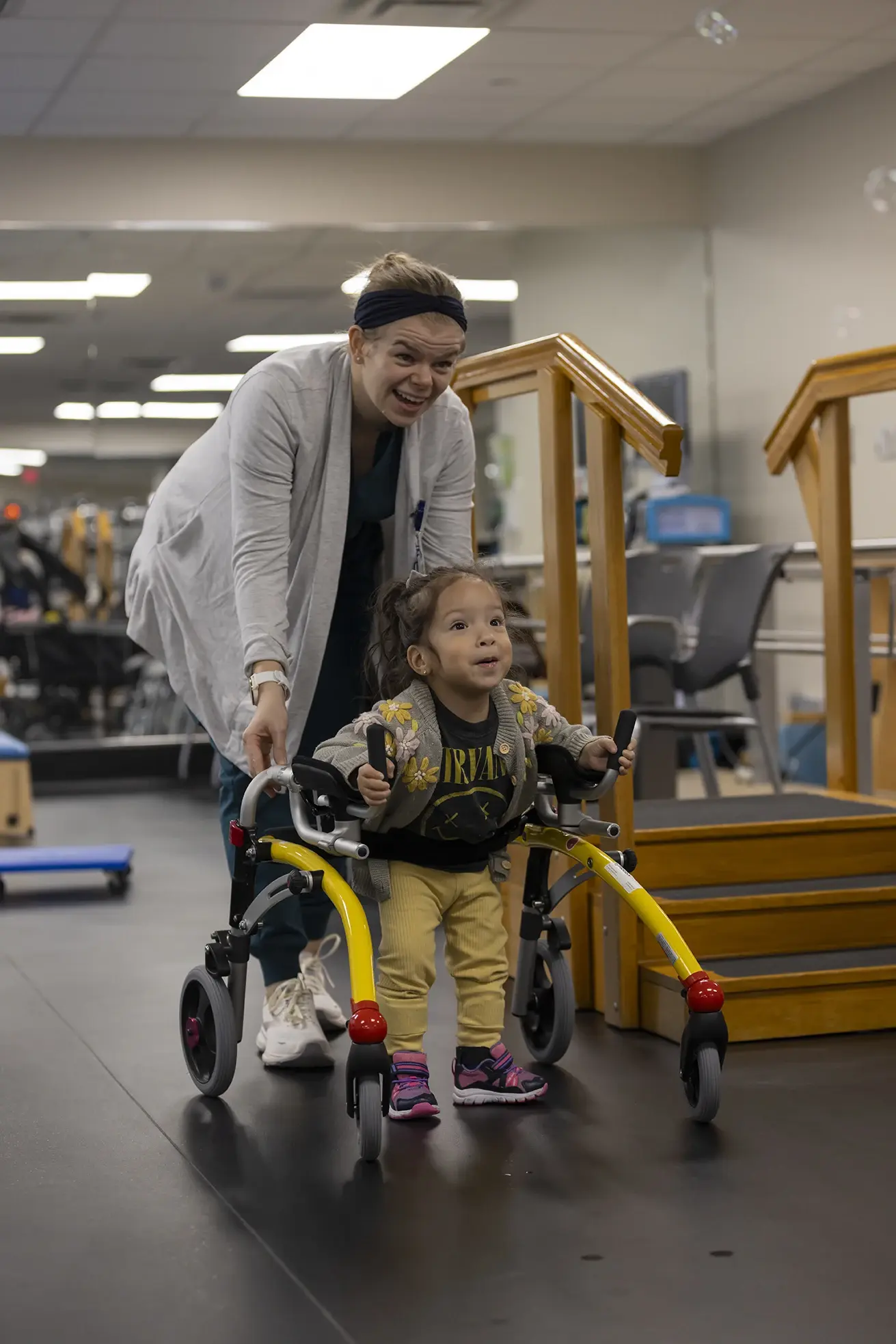
State-of-the-art facilities: Our facilities feature advanced equipment designed specifically for kids. These tools support safe and comfortable care, while helping your child recover efficiently.
Caring for competitive athletes: We offer specialized sports therapy services exclusively for competitive young athletes. Our expert physical therapists focus on injury recovery, post-surgical care and performance enhancement to help athletes get back to their best.
Specialized care: Your child will be matched with a physical therapist who specializes in specific conditions, such as scoliosis or sports injuries. If needed, the team can also connect your family to other experts, like psychologists or nutritionists, to help support recovery.
-
Currently, only current Scottish Rite patients are eligible for physical therapy services. Your child’s primary Scottish Rite provider must first provide your child with a referral for physical therapy.
Once our team receives the referral, we will typically contact you directly, within one to three days. Together, we’ll review your child’s health history to match them with the best physical therapist for their needs. After this point of contact, we’ll schedule your child’s initial evaluation.
-
Through MyChart, you can see your child’s schedule, use the secure chat tool to ask their team questions and attend telehealth visits.
Our patient access team can help you set up your child’s MyChart account if they don’t have one already.
-
It varies. Some kids need only a few visits to address pain or movement issues. Others may require a longer course of therapy, if they are recovering from major surgery or have a more complicated condition.
Your child’s physical therapist will discuss the anticipated length of your child’s treatment.
-
We offer physical therapy services at Scottish Rite’s Dallas and Frisco locations.
At our Dallas location, we offer:
- Inpatient physical therapy
- Orthopedic physical therapy
- Sports physical therapy
- Scoliosis-specific orthopedic physical therapy
- Mobility and equipment clinic
At our Frisco location, we offer:
- Orthopedic physical therapy
- Sports physical therapy
- Scoliosis-specific orthopedic physical therapy
- Hydrotherapy (aquatic therapy)
At our Star location, we offer:
- Sports physical therapy
-
Our physical therapy experts treat children from birth to age 18.
-
It varies. Some children come in one or two days a week. Others, particularly those who need intensive physical therapy, may do physical therapy every day for a specific period.
Your child’s physical therapist will discuss the frequency of your child’s therapy sessions at their initial evaluation.
-
Yes. We have after-school availability for most physical therapy appointments.
However, we do schedule initial evaluations during school hours. This allows us to hold our after-school time slots for therapy sessions.
-
Make sure your child is wearing comfortable clothing that allows for exercise, play and activity. They should wear comfortable but supportive sneakers with socks. Please avoid Crocs or slide-style shoes.
If they are doing aquatic therapy, they should bring a swimsuit and dry clothes to change into after therapy.