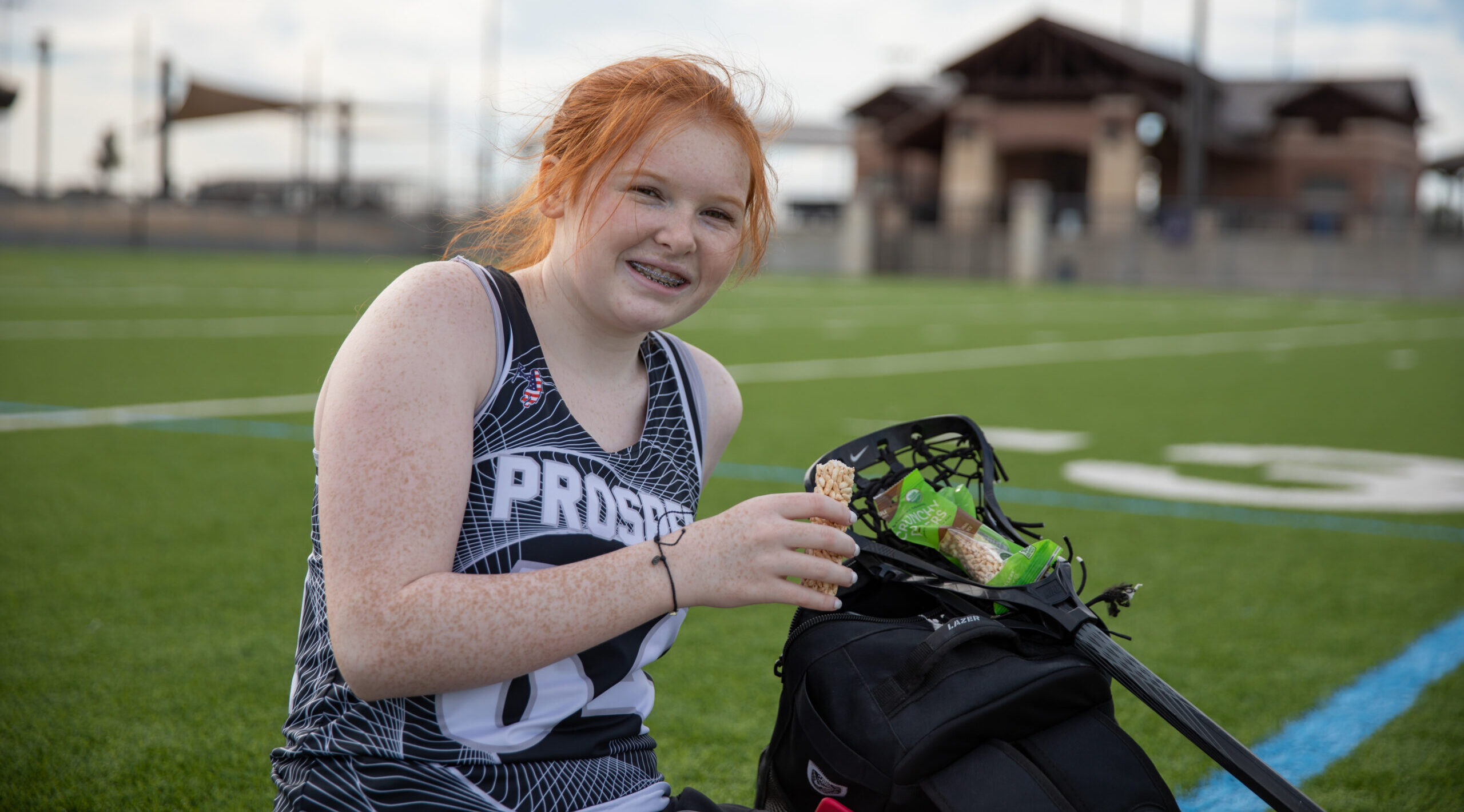
Your child’s diet affects everything from their bone and muscular health to how quickly injuries or wounds heal. Pediatric nutrition services help your child’s body get what it needs to heal, grow and function well.
Our Approach to Nutrition Services
When your child has an orthopedic injury or condition, their nutrition can directly affect their recovery. What they eat can help their bones, wounds and muscles heal and recover. That’s why nutrition care is integrated into your child’s orthopedic treatment plan.
Nutrition counseling at Scottish Rite is not about strict diets. Instead, registered dietitians partner with you and your child to build habits that support their medical needs and daily life.
This care may include targeted nutrition strategies tailored to your child’s injury, surgery or condition, such as:
- Increasing protein to support wound healing and muscle recovery after surgery
- Adding more calcium, vitamin D and other nutrients to support bone health
- Adjusting daily calorie intake to gain or manage weight
Benefits of Nutrition Counseling
Our integrated approach helps us treat your whole child and not just their condition.
Benefits of nutrition counseling may include:
- Increased energy
- Improved movement
- Quicker return to daily activities
- Faster healing, with fewer complications
- Better stamina for school, therapy and daily activities
- Increased confidence around food and body needs
- Reduced risk of future injuries
Personalized Nutrition Plans
Your child’s nutrition plan supports their medical needs, while respecting your family’s budget, culture and preferences. We focus on realistic changes you can manage easily at home. Plans account for food access, time limitations and your family’s daily routines.
Depending on your child’s needs, their plan may help:
- Support balanced nutrition and overall health
- Improve bone and muscular health
- Strengthen healing and recovery
- Increase energy, activity and confidence
What to Expect for Nutrition Services
Your child’s first visit with a pediatric dietitian focuses on listening and learning. Your dietitian will ask you about your child’s:
- Eating habits
- Daily routines
- Home life
- School environment
- Medical history
We’ll also take time getting to know you and your family. We’ll discuss your goals, concerns and challenges and answer your questions.
These discussions can range from managing picky eating to determining if they’re eating enough.
From there, we’ll review options for your child.
There is no pressure to change everything at once. We often start with simple, practical guidance, recommendations and a balanced diet. We’ll then incorporate clear nutrition recommendations specific to your child’s condition and recovery needs.
Monitoring Progress
At follow-up visits, we track your child’s progress together. We review what works, what feels challenging and how your child is responding to diet changes, physically and emotionally.
Progress is not measured by weight alone. We monitor progress by looking at health, healing and daily function. We:
- Talk through successes and obstacles
- Review lab results
- Communicate with your child’s care team
We continue to adjust the nutrition plan as your child’s needs change. Our goal is to understand the full health picture and refine their nutrition goals over time.
Conditions We Support Through Nutrition Care
Nutrition care supports both medical conditions and recovery from orthopedic injuries and treatments.
Nutrition-related Conditions
- Anemia
- Electrolyte Imbalances
- Malnutrition
- Obesity
- Vitamin D Deficiency
- Weight Management
Orthopedic Conditions Supported by Nutrition
- Cerebral Palsy
- Developmental Disabilities
- Fractures
- Juvenile Arthritis
- Metabolic Bone Disease
- Spina Bifida
- Sports Injuries
- Wounds
Why Choose Us?
Family-centered care: We encourage families to come to visits with questions and feedback. Your input shapes your child’s nutrition plan and helps us all succeed. And, we are here to support and guide you each step of the way.
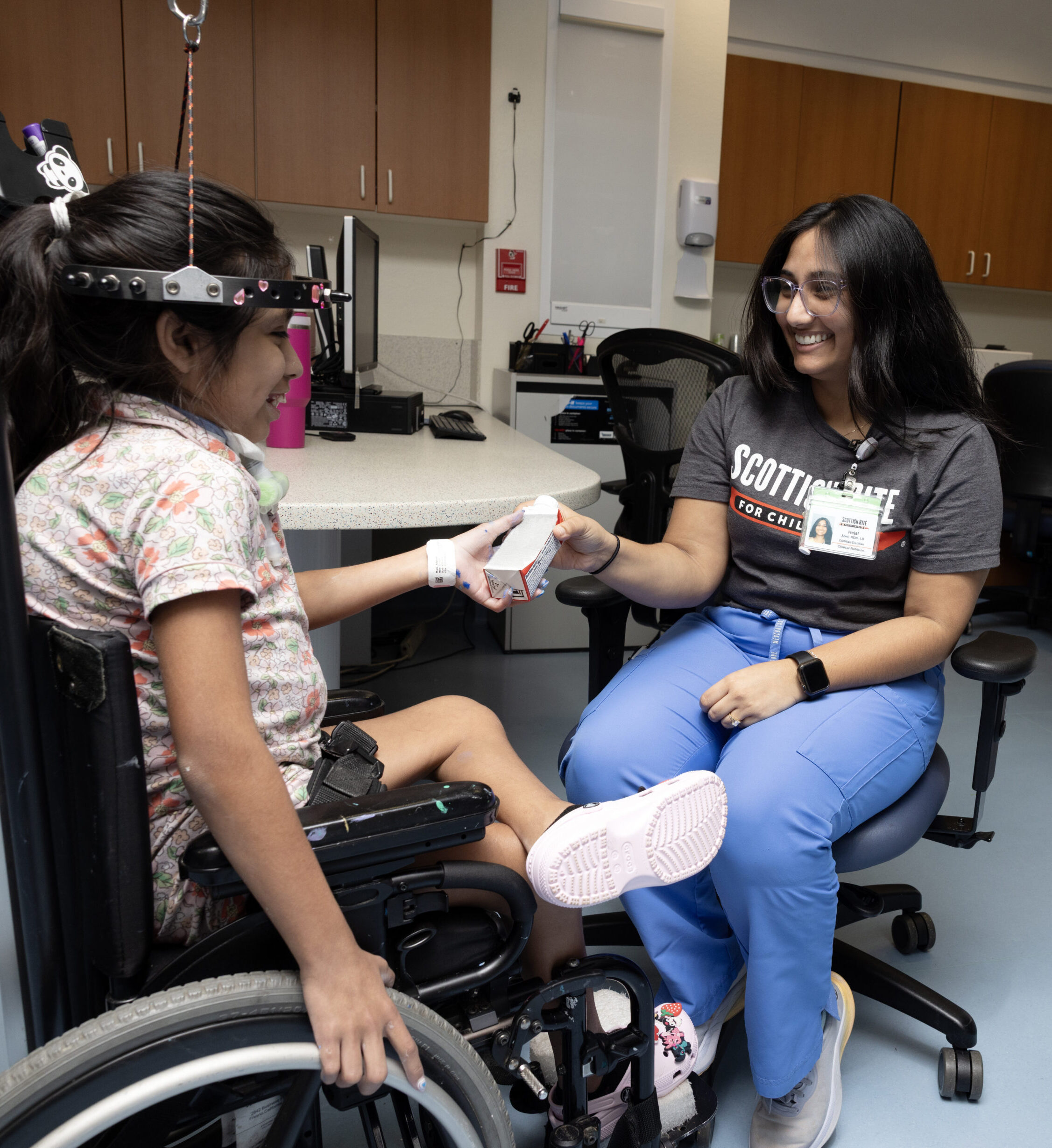
Integrated pediatric team: Our dietitians work inside many of our specialty clinics. They partner closely with your child’s care team. Together, we work toward a shared goal to improve every aspect of your child’s health.
Nutrition support before and after surgery: Research shows that proper nutrition before and after surgery can improve recovery and reduce complications. Our dietitians support your child before surgery, during recovery in the hospital and after returning home.
-
Typically, your provider will make a referral for your child to receive nutritional services. You can also request a referral during a clinic visit.
Once we receive the referral from your child’s provider, we aim to schedule your child’s first visit within one to two weeks.
A dietitian may also join one of your child’s other appointments with their medical care team on the same day in some cases.
-
If your child is hospitalized, their care teams can request a nutrition consultation.
You can also request to speak with a dietitian if you have concerns about your child’s nutrition while they are in the hospital.
-
Yes, we offer telehealth appointments to families who cannot easily travel to our locations.
-
Yes, our dietitians, along with social workers, can help connect you to the resources and support to help with accessing the right foods for your child. We also tailor your child’s care plan to your budget, access to food and available resources.
-
No, we do not act as “food police.” We focus on balanced, flexible and realistic food choices.