What Is Spina Bifida?
Spina bifida occurs when your child’s spinal cord does not fully develop before birth. It can affect the spine and lower extremities, brain, bladder, and bowel to name a few. At Scottish Rite, we support your child’s overall health goals for a successful life.
Our Approach to Spina Bifida
Spina bifida can affect many areas of your child’s health, development and daily life. You may be managing medical appointments, equipment needs and school concerns all at once. But you do not have to navigate this alone.
At Scottish Rite, we work across specialties so every part of your child’s health is addressed together. Our approach focuses on long-term planning, education and increasing independence.
Your child’s care plan is designed to support self-reliance at home, at school and in the community. Our Spina Bifida team partners with you to address the full impact of spina bifida across childhood (from birth to adulthood).
Your Child’s Care Team
Your child’s care plan is developed by specialists who focus on specific areas of health and development:
- Developmental Disabilities specialists who guide growth, learning and long-term planning
- Neurosurgeons who monitor shunts (devices that help drain fluid from the brain) and spinal cord conditions
- Urologists who protect kidney health and support bladder and bowel independence
- Orthopedic surgeons who address problems with the muscles and bones, like foot and spine differences
- Physical therapists who support strength, mobility and endurance
- Occupational therapists who build daily living skills and self-care independence
- Therapeutic recreation specialists who help your child participate in sports and community activities
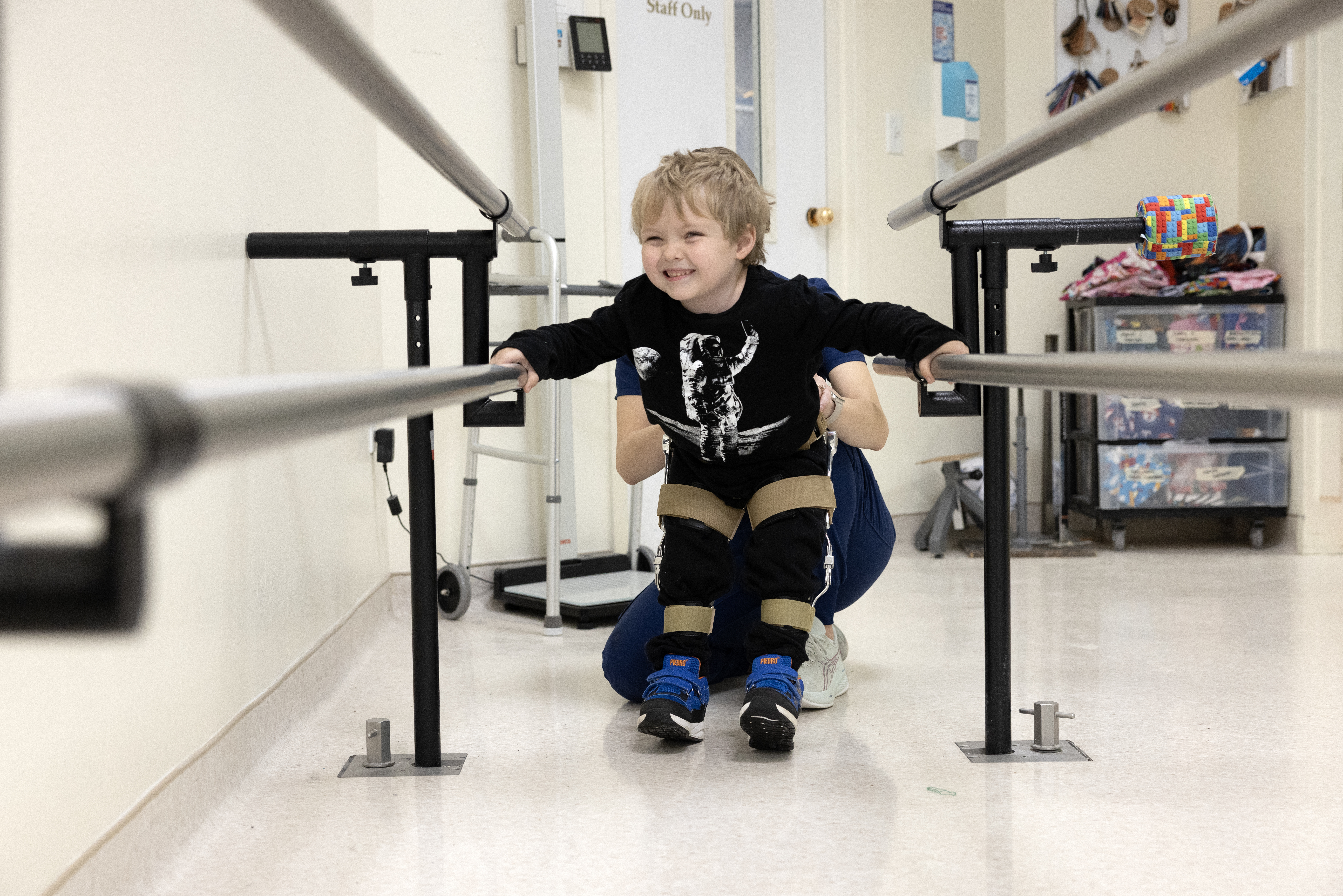
- Orthotists who design custom braces and mobility equipment
- Dietitians who help manage bowel programs and nutrition
- Social workers who guide you through resources and planning
- Psychologists who support emotional well-being and help your child and family thrive
Types of Spina Bifida and Related Conditions
Scottish Rite cares for children with spina bifida and related neural tube defects, including:
- Myelomeningocele
- Meningocele
- Lipomeningocele
- Caudal regression
- Encephalocele
- Tethered cord syndrome
These conditions affect how the spine and nervous system develop and often require coordinated, long-term care.
How Spina Bifida Can Affect Your Child
Spina bifida affects each child differently. Some children have mild effects, while others need more medical support.
Common areas of impact may include:
- Differences in movement or strength
- Bladder or bowel control challenges
- Changes in sensation or feeling
- Learning or executive functioning differences
- Skin pressure injuries
If your child has been diagnosed or you notice these signs, early evaluation can help prevent complications and support long-term health.
Spina Bifida Evaluation
Families come to Scottish Rite’s Spina Bifida Clinic at different points in their journey.
Your first visit with our Spina Bifida team is designed to educate and build a partnership. This visit typically lasts two to four hours, allowing us to understand your child’s needs and plan for their future.
During your child’s visit, your care team will:
- Review medical history and previous imaging
- Assess movement, strength and coordination
- Evaluate bladder and bowel function
- Examine skin health and areas with reduced sensation
- Review growth and orthopedic alignment
Additional Testing
Depending on your child’s needs, your provider may recommend:
- X-rays to evaluate bone and joint alignment
- MRI to assess the spinal cord or shunt function
- Renal ultrasound to monitor kidney health
- Urodynamic testing to assess bladder function
- Lab work to maintain your child’s health
Treatment for Spina Bifida
Your child’s treatment is personalized based on their age, development and specific needs.
Care may include:
- Bracing
- Casting
- Orthopedic surgery
- Neurologic surgery
- Bladder and bowel management programs
- Physical therapy
- Occupational therapy
- Skin monitoring and prevention
- Psychological support
Our goal is to help your child stay healthy, prevent complications and build independence in daily life.
Long-Term and Lifelong Care
At Scottish Rite, we understand that spina bifida requires ongoing monitoring throughout childhood and into adulthood and our team has decades of experience. We focus not only on today’s needs, but on long-term independence and transition to adult care.
We partner with you to adjust care as your child’s needs change:
- In early childhood, care often focuses on establishing routines and monitoring development.
- During school years, attention expands to mobility, learning and participation.
- In adolescence, care increasingly supports independence and self-management.
Beginning around age 14, we introduce structured transition planning. We help teens build self-care skills and gradually take a more active role in managing their health and care plan.
Why Choose Us?
Pediatrician-led, coordinated care: Your child’s care is guided by developmental pediatricians experienced in complex medical needs. Specialists work together in one program, helping you avoid fragmented care and receive aligned recommendations.
Comprehensive support for your whole family: Care extends beyond medical treatment. We provide education, emotional support and resource guidance to help your family navigate each stage with confidence. Few programs in the country offer this level of support.
National collaboration in spina bifida research: Scottish Rite participates in national research efforts and patient registries focused on spina bifida. We also collaborate with organizations, such as the Spina Bifida Association, to support education and shared clinical learning. This involvement helps ensure your child’s care reflects current best practices

-
You can call the Pediatric Developmental Disabilities office at 214-559-7855 or send a message through MyChart to request an appointment. Our team will guide you through next steps.
-
Please bring medical records, imaging, school reports or psychological evaluations, if you have them. Also, bring a current medication list and any braces or mobility equipment your child uses.
-
Scottish Rite does not have an emergency room and does not replace your child’s pediatrician. Your child should also have a primary care provider for routine and urgent needs.